
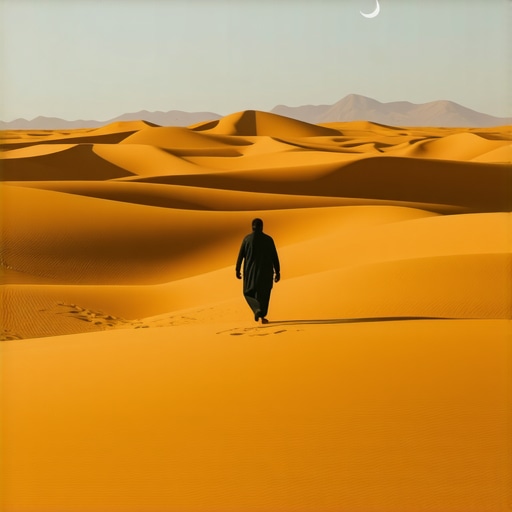
My Personal Journey: Dreaming of Being Lost in the Desert
One night, I had a vivid dream where I found myself wandering aimlessly in a vast, endless desert. This dream left me with a deep sense of introspection and curiosity about its spiritual meaning. As someone passionate about Islamic dream interpretations, I realized this symbol could be more than just a nightmarish experience; it might hold divine messages and personal reflections.
What Does Dreaming of Being Lost in a Desert Signify Spiritually?
In Islamic symbolism, the desert often represents a spiritual testing ground, a place of solitude and reflection. Being lost in such an environment can symbolize a phase of spiritual uncertainty or a need for reconnecting with one’s faith. I learned that this dream might indicate a moment where I was feeling disconnected from my spiritual path or facing challenges that require patience and trust in Allah’s wisdom.
Connecting the Dream to Islamic Meanings and Signs
Islamic dream interpretations suggest that wandering in a desert can signify a period of spiritual reflection or a test from Allah. It’s a reminder that, like the Prophet Muhammad’s (peace be upon him) journey in the desert during his spiritual awakening, our trials can lead to growth and enlightenment. For more insights, I explored [the symbolism of snakes in Islamic dreams](https://en.islamskisanovnik.net/exploring-the-symbolism-of-snakes-in-islamic-dreams), which taught me that even seemingly dangerous symbols can carry positive meanings in divine context.
How Can Such Dreams Guide Our Spiritual Path?
Dreams like these serve as divine signs that encourage us to evaluate our spiritual journey. They remind us to seek Allah’s guidance, reflect on our faith, and trust in divine wisdom during times of uncertainty. I personally found that praying and seeking knowledge helped me navigate these spiritual tests more peacefully.
If you’ve experienced similar dreams, I invite you to share your reflections or consult trusted Islamic dream interpretations to uncover their hidden messages. Remember, every dream holds a sacred lesson, guiding us closer to Allah’s mercy and understanding.
For additional insights on dreams and their meanings, you might find it helpful to explore [interpretations of dreams about losing teeth](https://en.islamskisanovnik.net/interpretations-of-dreams-about-losing-teeth-in-islam), which often symbolize spiritual or worldly losses, or [dreams about wealth and prosperity](https://en.islamskisanovnik.net/islamic-dream-dictionary-dreams-of-wealth-and-prosperity) as signs of divine blessings.
Deciphering Symbols: The Key to Understanding Your Dreams in Islam
Dreams are considered divine messages in Islamic tradition, filled with symbolism that can unlock profound insights about our spiritual journey. Recognizing the significance of symbols like snakes, rivers, or even animals, can help us interpret divine signs more accurately. For example, exploring the symbolism of snakes in Islamic dreams reveals that these creatures can symbolize both danger and divine protection, depending on the context. As an expert, I emphasize paying attention to the details within your dream—colors, actions, and feelings—since they are crucial for accurate interpretation.
The Nuances of Dream Contexts and Personal Spiritual States
Understanding your current spiritual state when experiencing a dream adds depth to its interpretation. A dream of water might symbolize purity and blessings when one is spiritually cleansed, but it could also signify chaos if one is facing hardship. The Islamic approach encourages us to consider the personal context and emotional state to grasp the true meaning behind dreams. As an expert, I advise keeping a dream journal and reflecting on recurring themes, as these often reveal divine patterns or warnings.
What Role Do Cultural and Personal Experiences Play in Dream Interpretation?
While Islamic dream interpretation relies on sacred texts and scholarly insights, personal and cultural backgrounds influence how symbols are perceived. For instance, dreaming of a mosque might invoke feelings of spiritual fulfillment or obligation, depending on one’s cultural connection to faith practices. To deepen your understanding, consider consulting trusted sources like the Islamic Dream Dictionary, which provides comprehensive guidance aligned with Islamic teachings. Remember, the goal is to discern divine guidance tailored uniquely to your spiritual journey.
If you find value in exploring the rich symbolism of dreams, I encourage you to share your experiences or ask questions below. Engaging with others can illuminate unseen messages and foster spiritual growth. For more detailed insights, consider reading about dreams about losing teeth, which often symbolize significant life changes, or [dreams about wealth and prosperity](https://en.islamskisanovnik.net/islamic-dream-dictionary-dreams-of-wealth-and-prosperity), representing divine blessings and success.
Embracing the Complexity of Dream Symbols in Islamic Tradition
As I continued my personal journey into dream interpretation, I realized that each symbol carries layers of meaning that are deeply personal yet universally rooted in Islamic teachings. For instance, encountering a snake might evoke fear initially, but understanding its divine symbolism—such as protection or renewal—requires reflection on the dream’s context and my current spiritual state. Exploring the symbolism of snakes in Islamic dreams taught me that these creatures can represent both danger and divine protection, depending on the circumstances. Recognizing such nuances helps me grasp divine messages more accurately, reminding me that dreams are not just random images but sacred signs guiding our spiritual growth.
How Personal Experiences Shape Dream Interpretation
My own experiences have shown me that personal and cultural backgrounds influence how I perceive dream symbols. For example, dreaming of a mosque may symbolize spiritual fulfillment or obligation, but this perception varies based on my cultural connection to faith. Reflecting on personal context and emotional state enhances the accuracy of interpretation. Keeping a dream journal has revealed recurring themes and divine patterns, helping me understand the messages Allah intends for me to learn. I encourage others to consider their unique backgrounds when deciphering dreams, as this personal touch deepens spiritual insights.
Addressing the Nuances: Why Some Dreams Feel More Divine Than Others
One intriguing aspect I’ve noticed is that some dreams resonate more profoundly, feeling like direct divine messages. This could be due to the clarity of symbols, the emotional intensity, or the spiritual readiness of the dreamer. For example, a dream about a bright light or a sacred place often leaves a lasting impact, prompting reflection and action. These dreams may serve as divine notifications or warnings, urging us to act or repent. Engaging with trusted scholars or sources like the Islamic Dream Dictionary can help us discern these profound messages. I invite you to share your experiences—sometimes, sharing can illuminate hidden messages that we might overlook alone.
How Can We Cultivate a Deeper Connection to Our Dreams?
From my perspective, cultivating mindfulness before sleep, engaging in supplication, and maintaining a positive spiritual environment can enhance our ability to understand divine signs in dreams. Practicing reciting Surah Al-Kahf before sleep has been beneficial for many, as it opens the heart to divine guidance. Additionally, reflecting on dreams upon waking allows us to absorb their lessons more effectively. I believe that dreams are sacred messages from Allah, and strengthening our connection through prayer and knowledge enables us to unlock their full potential. I encourage everyone to approach dreams with patience, gratitude, and sincerity, trusting that Allah’s wisdom will reveal itself in due time.
Unveiling the Layers: How Advanced Dream Symbols Reveal Divine Secrets
As I delved further into the intricate world of Islamic dream interpretation, I discovered that symbols are not merely superficial images but gateways to profound spiritual truths. Each dream, especially those rich with symbolism, can serve as a divine communication channel, offering insights into our faith, character, and destiny. For example, encountering a snake in a dream might initially evoke fear, yet its layered meanings—ranging from divine protection to personal renewal—depend heavily on context and one’s spiritual state. Recognizing these nuances requires both scholarly knowledge and personal spiritual sensitivity, empowering us to interpret divine messages more accurately.
How Do Personal and Cultural Narratives Influence Sacred Dream Messages?
My own journey in understanding dreams has shown me that personal experiences and cultural backgrounds significantly shape how symbols are perceived. For instance, a mosque in a dream may symbolize spiritual fulfillment or obligation, but this perception varies based on one’s cultural connection to faith. Reflecting on personal context and emotional state deepens the interpretative process, making divine messages more personalized and impactful. This underscores the importance of maintaining a dream journal, as it helps identify recurring themes and divine patterns that are tailored to our unique spiritual journey.
What Is the Significance of Dreams That Feel More Divine Than Others?
One phenomenon I’ve observed is that certain dreams—such as those with luminous lights or visions of sacred places—resonate more intensely, feeling almost like direct divine communication. This heightened perception often correlates with the clarity of symbols and the dreamer’s spiritual readiness. Such dreams may serve as divine notifications or warnings, urging us to act or seek repentance. Engaging with trusted scholars or references like the Islamic Dream Dictionary can help decipher these profound messages, ensuring we heed divine guidance accurately.
How Can We Cultivate a Deeper Connection to Our Dream Messages?
From my experience, cultivating mindfulness before sleep—such as engaging in supplication and reciting Qur’anic verses like Surah Al-Kahf—can enhance our receptivity to divine messages. Reflecting on dreams immediately upon waking allows for better absorption and understanding of their lessons. Strengthening our spiritual connection through sincere prayer and knowledge builds a fertile ground for divine guidance to manifest in our dreams. I invite you to share your experiences or insights, as collective reflection often reveals hidden messages that might otherwise go unnoticed, enriching our spiritual growth.
What Are the Challenges in Interpreting Complex Dream Symbols?
Interpreting complex symbols requires a delicate balance of scholarly knowledge, personal intuition, and spiritual sincerity. For instance, a dream about a snake might symbolize danger or divine protection, but the true meaning hinges on contextual clues and emotional responses. The challenge lies in avoiding superficial readings and instead engaging in deep reflection, prayer, and consultation with knowledgeable scholars. Recognizing these complexities encourages a humble approach, acknowledging that divine messages often carry multiple layers of meaning.
How Can Deepening Our Understanding of Sacred Symbols Elevate Our Faith Practice?
By immersing ourselves in the rich symbolism embedded within Islamic dream interpretation, we cultivate a more nuanced and profound faith. Symbols like water, animals, or even colors are imbued with divine significance, serving as signs that guide our moral and spiritual decisions. For example, interpreting dreams of animals reveals insights into our character and divine testing. These symbols act as spiritual compass points, helping us align our daily lives with divine intentions. I encourage you to deepen your engagement with sacred dream symbols—your faith journey will be enriched as you learn to read these divine signs with wisdom and humility.
If you’re eager to explore these layers of divine symbolism further, I welcome your reflections and questions. Sharing insights fosters collective understanding, allowing us to better recognize and respond to Allah’s sacred messages in our dreams and waking life.
Things I Wish I Knew Earlier (or You Might Find Surprising)
The Power of Personal Context
Early in my journey, I underestimated how much my personal experiences and emotional state influence dream meanings. Recognizing my own background helped me interpret symbols more accurately and find divine messages tailored to my spiritual path.
The Significance of Recurrent Dreams
Noticing recurring themes in my dreams revealed divine patterns and ongoing lessons from Allah. Keeping a dream journal allowed me to track these messages and deepen my understanding of my faith and life journey.
Symbols Are Multi-Layered
Initially, I viewed symbols like snakes or water as straightforward, but I learned they carry multiple meanings depending on context. This realization made my interpretations richer and more spiritually meaningful.
The Role of Spiritual Readiness
I found that dreams often feel more divine when I am spiritually prepared—through prayer, recitation, and reflection. Cultivating mindfulness before sleep enhances our receptivity to divine messages.
The Impact of Cultural Narratives
My cultural background shaped how I perceived dream symbols. Embracing this helped me appreciate the personalized nature of divine guidance and strengthened my faith practice.
Understanding Complex Symbols Takes Time
Interpreting intricate dream images requires patience, scholarly insight, and prayer. Over time, I learned to approach these symbols humbly, recognizing their divine layers.
Resources I’ve Come to Trust Over Time
- Islamic Dream Dictionary: A comprehensive guide that aligns with Islamic teachings, helping me decode symbols accurately.
- Scholarly Articles on Dream Interpretation: Academic insights that deepen my understanding of sacred symbolism and divine signs.
- Trusted Islamic Scholars: Personal consultations and online fatwas that clarified complex dream meanings and provided spiritual guidance.
Parting Thoughts from My Perspective
Exploring Islamic dream interpretation has taught me that dreams are sacred messages from Allah, filled with divine symbols and lessons. Recognizing the layers of meaning in our dreams can strengthen our faith, guide our actions, and deepen our spiritual connection. I encourage you to approach your dreams with sincerity, patience, and an open heart. If this resonated with you, I’d love to hear your thoughts or experiences—sharing our insights can illuminate divine messages that might otherwise go unnoticed. Remember, every dream is an opportunity for spiritual growth and understanding Allah’s mercy.
This post resonated deeply with me, especially the idea that dreams of wandering in the desert symbolize spiritual testing and the need for patience and trust in Allah. I remember a similar dream I had during a challenging phase in my life, where I found myself lost in a vast desert without any visible way out. Initially, I felt overwhelmed, but over time, I realized it was a divine reminder to strengthen my faith and seek Allah’s guidance through prayer and supplication. The analogy of the Prophet Muhammad’s journey in the desert is quite inspiring, illustrating that trials can lead to growth and enlightenment. I’ve also found that keeping a dream journal helps me notice recurrent themes and divine patterns more clearly. Have others experienced dreams of desert loneliness that eventually turned into a source of spiritual insight or renewal? I believe sharing these experiences can help us all deepen our understanding and patience in facing our spiritual tests.
This post really resonated with me, especially the idea that the desert in dreams can symbolize a spiritual test or period of reflection. I recall a similar vivid dream where I was lost in an endless desert, feeling overwhelmed and disconnected from my faith. At first, I took it as just a nightmare, but over time, I realized it might be a divine message urging me to reconnect with Allah through sincere prayer and patience. It’s inspiring how such dreams can serve as catalysts for spiritual growth, much like the story of Prophet Musa (Moses) during his time in the desert, which exemplifies perseverance and divine guidance. I wonder, how do others interpret feelings of loneliness or helplessness in such dreams? Do you find that these dreams always lead to positive spiritual insights, or can they sometimes be tests of patience requiring additional reflection? I’d love to hear other experiences on turning challenging dreams into opportunities for spiritual renewal.
This post really struck a chord with me, especially your insight into how dreams of being lost in the desert symbolize spiritual tests. I had a similar experience where I found myself wandering in an endless desert in my dream, feeling overwhelmed and isolated. At first, I saw it as just a frightening vision, but reflecting on it later, I realized it was a divine reminder that moments of spiritual uncertainty are part of our growth process. Like you mentioned, prayer and seeking knowledge have helped me navigate these feelings, turning them into opportunities for renewed faith. I wonder, how do others differentiate between dreams that are just emotional reactions and those with deeper divine symbolism? Are there specific practices or interpretations that can help us better understand these powerful subconscious messages? I’d love to hear how others have turned such dreams into stepping stones on their spiritual journey.
Reading your detailed reflection on dreaming of wandering in a desert deeply resonated with my own spiritual journey. I truly believe that such dreams are profound reminders from Allah, prompting us to evaluate our faith and patience. Personally, I’ve encountered similar dreams where I felt lost and overwhelmed, yet over time, I realized they were divine calls to renew my trust in Allah’s plan. Keeping a dream journal and engaging in prayer has been very helpful in understanding these signs. I wonder how others interpret conflicting feelings—like hope and despair—in such dreams. Do they always point toward growth, or can some be tests of resilience without immediate clarity? Exploring these questions can help us navigate our spiritual paths more consciously. Thank you for sharing such insightful perspectives; they encourage me to stay patient and attentive to Allah’s messages in my dreams.