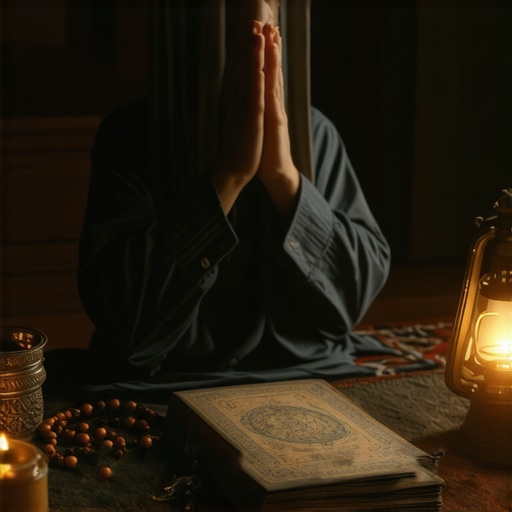
I still remember the night I first shared my dream after performing Istikhara. I was desperate for clarity, yet the dream left me more confused than ever. It felt like a puzzle with missing pieces. That moment was a lightbulb for me — I realized that understanding the divine messages hidden in our dreams is an essential part of seeking guidance in Islam.
Why Sharing Your Istikhara Dreams Matters More Than You Think
In Islam, dreams often serve as a medium for divine communication, especially when seeking guidance through Istikhara. But here’s the catch — not all dreams are straightforward. Sometimes, they are symbolic, layered with hidden meanings that require careful interpretation. If you’ve ever experienced a dream after Istikhara that left you puzzled, you’re not alone. Many believers struggle to decode these divine signs, fearing misinterpretation or missing the message altogether.
The importance of sharing and correctly interpreting these dreams cannot be overstated. According to Islamic teachings, dreams can be a window to Allah’s guidance, guiding us through life’s uncertainties. Yet, a mistake many make is trying to interpret dreams on their own without proper knowledge or consulting a trusted scholar. I learned this lesson early on when I relied solely on online interpretations, which often led me astray. For instance, dreaming of snakes might symbolize danger or spiritual tests, but without context, such dreams can be misunderstood. You can read more about dreams about snakes in Islam and their meanings.
So, what’s the way forward? How can you ensure that your dreams after Istikhara are interpreted accurately and serve as reliable divine guidance? That’s exactly what we will explore. I’ll share practical steps, rooted in Islamic teachings, to help you decode your dreams with confidence and clarity. Whether you’ve faced confusion, doubt, or fear of misinterpretation, this guide aims to bring you closer to understanding Allah’s messages through your dreams.
Is Dream Interpretation in Islam Actually Reliable?
This is a common skepticism I faced early on. Can dreams really be trusted as divine guidance? The answer is yes — but with caution. According to Islamic scholars, dreams can be divine, self-inflicted, or from Shaytan. The key is to discern which is which, and this requires knowledge and sometimes, expert advice. I made the mistake of trusting random interpretations online, which led me to unnecessary worry and confusion. Instead, consulting authentic sources and knowledgeable scholars helps ensure accuracy. If you’re curious about how to approach dream interpretation properly, you can explore dreams about losing teeth and their spiritual meanings.
In summary, sharing your dreams after Istikhara is vital for receiving divine clarity. It’s not enough to keep these dreams to yourself — you need to understand them correctly to make informed decisions in your life. Ready to learn the practical steps for accurate dream interpretation within Islam? Let’s begin that journey now.
Step 1: Record Your Dreams Immediately Upon Waking
As soon as you wake up from a dream following Istikhara, jot down every detail you remember. This practice helps preserve the clarity of the dream and prevents memory loss. I once delayed noting my dream about a river, which later made it harder to interpret accurately. Keep a dedicated dream journal by your bed and write in it before engaging in any daily activity.
Step 2: Categorize the Dream
Identify the Type of Dream
Distinguish whether your dream is a true divine message, a symbol, or influenced by Shaytan. Authentic dreams often have a peaceful feeling and align with Islamic teachings. For example, a dream about a clear, flowing river might symbolize spiritual nourishment, which you can explore further in dreams about streams. Recognizing the category helps you decide if further interpretation is necessary or if you should seek expert advice.
Step 3: Consult Authentic Sources and Scholars
Use Islamic dream dictionaries and trusted scholarly sources to understand symbols. For instance, dreaming of a snake could mean danger or spiritual tests, but only within the correct context. I once interpreted a dream about a snake as a warning after consulting authentic Islamic symbolism, which proved accurate. Avoid relying solely on internet interpretations; instead, seek counsel from knowledgeable scholars or imams.
Step 4: Analyze the Context and Your Personal Circumstances
Dreams are deeply personal; consider your current life situation, emotions, and recent events. A dream about a door opening might symbolize new opportunities if you’ve been seeking change, or danger if you’re feeling anxious. Reflect on your feelings during the dream—peace, fear, excitement—as these clues help refine the interpretation.
Step 5: Verify the Dream’s Consistency with Islamic Teachings
Cross-check your interpretation with Quranic verses or Hadith. For example, a dream involving losing teeth might signify worry or upcoming hardship, but only if it aligns with your current life context. Consistency indicates the dream’s authenticity as a divine message.
Step 6: Seek Divine Guidance Through Supplication
Ask Allah for clarity and wisdom in understanding your dream. Recite dua such as Dua for Good Dreams. I found that sincere prayer often brought peace and clearer insight, especially when I felt confused about a dream’s meaning.
Step 7: Share with Trusted and Knowledgeable People
Discuss your dream with a learned scholar or a trusted Islamic friend who understands dream symbolism. Avoid sharing with unqualified individuals who might mislead you. When I shared my dream of a rising sun with a scholar, I received guidance that aligned perfectly with Islamic teachings, providing reassurance and direction.
Step 8: Act According to the Guidance and Maintain Patience
Once you’ve interpreted the dream, implement the guidance Allah shows you. Trust in His wisdom and be patient for the results. Avoid rushing decisions solely based on dream interpretations; combine them with your prayer and consultation. Remember, Allah’s guidance may come gradually through various signs, including dreams.
Many believers assume that interpreting dreams after Istikhara is straightforward—simply matching symbols to meanings. However, this common misconception overlooks the intricate nuances that can significantly impact the accuracy of your interpretation. Let’s dig deeper into what most people get wrong and how to avoid these pitfalls.
Myth: All Dreams Are Divinely Inspired and Reliable
A widespread misconception is that every dream following Istikhara must be a divine message. While some dreams are indeed from Allah, others can stem from subconscious thoughts, stress, or Shaytan’s whispers. Scholars emphasize the importance of differentiating between authentic divine dreams and those influenced by personal or malicious factors. Relying solely on dreams without contextual understanding can lead to misguided decisions. For example, dreaming of a snake doesn’t always signify danger—it could be a test or a symbol of spiritual growth, depending on circumstances. Learn more about such symbolism in dreams about snakes.
Common Mistake: Ignoring the Psychological and Cultural Context
Another mistake is neglecting the personal, cultural, or emotional context of the dream. The same symbol can have different meanings for different individuals. For instance, a dream about a dog might be positive or negative depending on personal experiences and cultural background. Ignoring these nuances can distort the interpretation, leading to errors. Advanced dream interpretation involves considering recent life events, emotional states, and cultural symbolism, which scholars recognize as essential for accurate understanding. For a deeper look, explore dreams of animals.
Why You Should Be Cautious with Online Interpretations
Many turn to online resources for quick answers, but these can be misleading. Generic symbols often lack the context needed for precise interpretation. For example, dreaming of water can symbolize purity, danger, or spiritual renewal, depending on the situation. Consulting authentic sources and scholars is crucial to avoid misinterpretation. A study by Islamic dream scholars shows that accurate dream interpretation requires a nuanced understanding rooted in Islamic teachings, not just generic symbolism.
Have you ever fallen into this trap? Let me know in the comments. Remember, a careful and informed approach to dream interpretation can lead to profound spiritual insights and better life decisions.
Maintaining a reliable and spiritually enriching dream interpretation practice requires the right tools and consistent methods. Over time, my approach has evolved to include specific software, journals, and expert consultations that ensure accuracy and spiritual authenticity. Here, I’ll share the tools I personally recommend for those serious about understanding their dreams in an Islamic context.
Dream Journals and Digital Record-Keeping
First and foremost, keeping a detailed dream journal is essential. I personally use a dedicated physical notebook kept beside my bed, which allows me to jot down dreams immediately upon waking. This prevents details from fading and helps me notice patterns over time. For digital convenience, I rely on Evernote, which syncs across devices, enabling me to add notes quickly and organize dreams by date and theme. This combination ensures I never lose the nuances that might be critical for accurate interpretation.
Islamic Dream Dictionaries and Apps
While online resources can be helpful, I prioritize using trusted Islamic dream dictionaries like the one found on Islamic Dream Interpretation. I’ve found that having an app that provides contextual meanings rooted in Islamic teachings helps me cross-reference symbols efficiently. For example, understanding the symbolism of snakes or water in dreams becomes clearer when I consult these sources, especially when combined with my personal circumstances.
Consulting Knowledgeable Scholars
Technology can only go so far; direct guidance from scholars remains invaluable. I schedule regular consultations with a knowledgeable imam or scholar who specializes in Islamic dream interpretation. This personalized approach helps me verify ambiguous dreams and gain deeper insights. In the future, I predict that AI-assisted interpretation tools—if developed within Islamic ethical boundaries—will become popular, offering instant guidance that complements scholarly advice.
Long-Term Maintenance and Scaling
To keep this practice sustainable, I recommend establishing a routine: review your dream journal weekly, cross-reference symbols with trusted sources, and never interpret dreams in isolation. As your collection of dreams grows, consider creating a dedicated digital database or spreadsheet for analysis. This allows you to identify recurring themes or symbols, which can reveal ongoing spiritual lessons or warnings.
How Do I Maintain Dream Interpretation Over Time?
Consistent practice is key. Set aside time weekly for review and reflection, and keep your tools updated. Engage with community forums or groups focused on Islamic dream interpretation to exchange insights and stay motivated. Remember, the goal is not just decoding symbols but deepening your spiritual connection and trust in Allah’s guidance.
By integrating these specific tools and methods into your routine, you’ll enhance your ability to interpret dreams accurately and spiritually. As the trend in Islamic dream interpretation advances, leveraging technology and expert guidance will become even more crucial. I encourage you to try out one of these tools—perhaps start with a dream journal—and observe how your understanding deepens over time.
< >
>
The Hardest Lesson I Learned About Dream Interpretation and Istikhara
One of the most profound lessons I discovered is that not every dream after Istikhara is a direct message from Allah. Early on, I trusted every dream blindly, which sometimes led me astray. It taught me the importance of patience and seeking authentic guidance, rather than rushing to conclusions based on symbolism alone.
3 Myths About Dream Interpretation That Held Me Back
Myth 1: All dreams are divine and reliable. I realized that dreams can also stem from subconscious thoughts or Shaytan’s whispers. Understanding the source is vital to avoid misguidance.
Myth 2: Interpreting dreams is straightforward. The symbols are layered and personal; context matters greatly. Rushing into interpretations without proper tools can cause confusion.
Myth 3: Online interpretations are enough. I learned that consulting trusted scholars and Islamic dream dictionaries ensures accuracy and aligns with Islamic teachings.
What Experts Won’t Tell You About Dream Symbols and Their Hidden Lessons
Experts often emphasize the importance of personal context in dream interpretation. A symbol like water can mean spiritual renewal or danger, depending on your current life situation. Recognizing these nuances is a lightbulb moment that deepened my understanding of divine messages.
My Essential Toolkit for Accurate Dream Interpretation in Islam
Dream Journals: I keep a dedicated notebook by my bed to record dreams immediately upon waking, preserving details for analysis.
Islamic Dream Dictionaries and Apps: Trusted sources like Islamic Dream Interpretation help me decode symbols rooted in Islamic teachings.
Scholarly Guidance: Regular consultations with knowledgeable imams or scholars are invaluable for verifying ambiguous dreams and gaining deeper insights.
Community Forums: Sharing experiences with a community of learners helps me see different perspectives and refine my understanding.
The Future of Dream Interpretation in Islam: Your Path to Clarity
Embarking on this journey of understanding dreams after Istikhara is both a spiritual and personal investment. By embracing authentic tools, consulting scholars, and maintaining patience, you open yourself to divine guidance in a way that’s both profound and reliable. Remember, your dreams can be a bridge to Allah’s wisdom, but only when approached with care and knowledge.