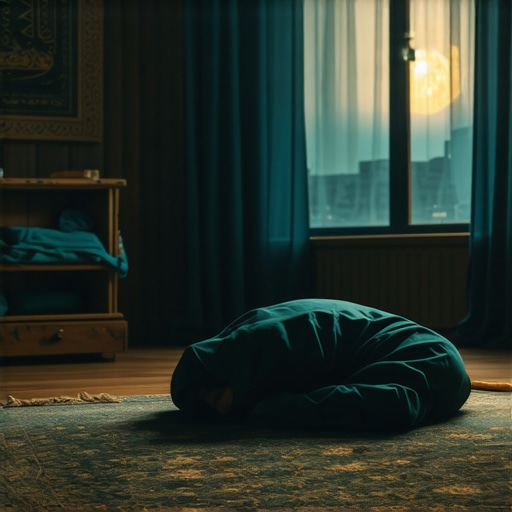
Ever woken up in the middle of the night, heart pounding, haunted by a nightmare that felt too real? I know I have. That unsettling feeling of dread can linger long after waking, making us question whether something spiritual is at play or if it’s just a bad dream. Early on in my journey, I made the mistake of dismissing these dreams as mere illusions, but I soon learned they carry messages and opportunities for spiritual connection. One practice that truly transformed my approach is praying two rakats after experiencing a distressing dream. It might sound simple, but its impact is profound, offering peace and divine protection.
Why This Small Act Can Bring Big Peace
In Islam, dreams are more than just subconscious images; they can serve as divine signs or warnings. The Prophet Muhammad (peace be upon him) emphasized the significance of dreams and the importance of turning to Allah for clarity and comfort. When I started praying two rakats after a bad dream, I noticed a shift—the anxiety lessened, and I felt spiritually uplifted. This act isn’t just about seeking relief; it’s a sacred ritual that reconnects us with Allah, helps dispel negative spiritual influences, and reinforces our faith during vulnerable moments.
Is This Practice Actually Worth the Hype?
Initially, I was skeptical. I wondered if a couple of voluntary prayers could really make a difference. I also made the mistake of thinking that only major sins or big problems require divine intervention. However, I soon realized that every spiritual effort counts, especially when it’s rooted in sincere faith. The key is consistency and belief that Allah listens to every supplication, no matter how small it seems. If you’ve ever dismissed a spiritual practice as insignificant, I encourage you to reconsider—many of us miss out on divine blessings simply because we overlook the power of small acts of worship. For more insights into dreams and their interpretations, you might find this [Dream Dictionary about Wealth and Prosperity](https://en.islamskisanovnik.net/islamic-dream-dictionary-dreams-of-wealth-and-prosperity) helpful.
So, if you’ve ever found yourself awake, unsettled, and craving peace, know that this simple ritual can be your refuge. Keep reading—I’ll guide you through how to incorporate this practice into your routine and why it’s a spiritual game-changer.
Prepare Your Space and Mind
Before you begin, find a quiet, clean space where you won’t be disturbed. Make wudu (ablution) to cleanse yourself physically and spiritually, signaling your readiness to connect with Allah. This act is like tuning a radio to the right frequency—clearing away distractions to better receive divine guidance. I recall a night when I was shaken after a disturbing dream; performing wudu helped me feel grounded and more receptive to prayer.
Perform the Two Rakats with Intention
Start by facing the Qibla, the direction of the Kaaba. Intend sincerely in your heart that these two rakats are for seeking protection and clarity after your distressing dream. Recite Surah Al-Fatiha in each rakat, followed by a chapter or verses from the Quran that resonate with you—like Surah Al-Ikhlas or Surah Al-Falaq. Think of this prayer as planting a spiritual seed, much like watering a fragile sprout with your faith.
Focus on Your Heart and Breath
During prayer, keep your focus on Allah and your intention. Feel the words entering your heart, and synchronize your breathing with your recitations. This mindfulness acts as a spiritual antenna—enhancing your connection. I remember once I was distracted, but I gently redirected my thoughts, which made the prayer more sincere and effective. This internal focus is like sharpening your spiritual lens to see divine messages more clearly.
Make a Specific Dua for Protection and Clarity
After completing the two rakats, sit in a comfortable position and softly recite a dua, such as “Allahumma inni as’aluka ruya saadiqatan” (O Allah, I ask You for true visions). Visualize divine protection enveloping you, like a shield made of light. Think of your dua as a spiritual key unlocking divine wisdom—each word opening a door to peace and understanding. If you’re unsure how to phrase your dua, you can also ask for guidance and clarity from Allah explicitly, like I did when I faced an especially troubling dream.
Reflect and Trust the Process
Spend a few moments in quiet reflection, trusting that Allah has heard your prayer. Do not rush; let your heart absorb the spiritual reassurance. Remember, this act is like watering a plant—consistent care yields growth and resilience. Over time, I found that my anxiety diminished, and I gained better insight into my dreams, often understanding their hidden messages. For more insights into dream interpretations, explore topics like dreaming about losing teeth or dreams of pregnancy in Islam.
Incorporate into Routine for Lasting Peace
Make this prayer a regular part of your night routine, especially after unsettling dreams. Think of it as your spiritual armor—each time reinforcing your trust in Allah’s protection. Remember, the power lies not just in the act but in your sincere belief that Allah listens and responds. Like a trusted friend, Allah is always ready to hear your call, especially when you seek refuge and clarity through these small but powerful acts of worship.
Many people believe that simply performing two rakats after a distressing dream is a straightforward act of seeking divine protection. However, this practice is often misunderstood or oversimplified, leading to common myths that can diminish its true spiritual potential. Let’s dig deeper into what most get wrong about this beautiful ritual and how to truly harness its power for profound spiritual growth.
Myth: The Ritual Works Automatically Without Proper Intention
A widespread misconception is that just going through the motions of prayer will automatically guarantee spiritual benefits. In reality, the effectiveness of praying two rakats after a bad dream depends heavily on sincerity and heartfelt intention. The Prophet Muhammad (peace be upon him) emphasized that actions are judged by intentions (niyyah), so approaching this prayer with genuine faith and trust in Allah is essential. Without true sincerity, the ritual risks becoming a mere routine rather than a meaningful act of worship. To maximize its impact, focus on aligning your heart with your words, and remember that Allah listens to the humble and sincere.
The “Oops” Factor: Relying Solely on Rituals Without Addressing Inner State
Another common trap is to rely exclusively on external acts like prayer, neglecting the importance of inner spiritual health. Performing two rakats without addressing underlying issues—such as worry, doubt, or lack of trust—can limit the benefits. Spiritual practices are most potent when accompanied by inner reflection, patience, and consistent remembrance of Allah. This holistic approach ensures that your heart remains open and receptive to divine guidance, rather than merely ticking off a ritual box.
Why Many Miss the Advanced Dimension of This Practice
For the more spiritually advanced, it’s vital to understand that praying after a bad dream is not just about seeking immediate relief, but also about building a resilient spiritual shield. Consistent practice fortifies your connection with Allah and helps you interpret dreams as divine messages rather than random images. Some overlook this dimension, missing out on the opportunity to develop a deeper understanding of their spiritual signals. As noted by Islamic scholars, dreams can contain layers of meaning that require contemplation and, sometimes, guidance from knowledgeable interpreters. To explore this further, consider reviewing resources like dreams about losing teeth or dreams of pregnancy in Islam.
Finally, be cautious of the misconception that divine protection is instant or guaranteed without sustained effort. Developing a consistent routine, coupled with sincere supplication, is what truly unlocks the spiritual benefits of this practice. Remember, Allah’s mercy is vast, but it often favors those who show perseverance and faith. If you’ve ever fallen into the trap of thinking that rituals alone are enough, I encourage you to reflect on the deeper purpose behind them. Have you ever fallen into this trap? Let me know in the comments.
Keeping your spiritual routines alive and effective requires the right tools and consistent effort. Over the years, I’ve refined my approach by selecting specific methods and equipment that ensure my practice remains impactful and sustainable. If you’re serious about maintaining the power of praying two rakats after distressing dreams, investing in quality tools can make all the difference.
Invest in a Quality Prayer Mat and Wudhu Kit
A comfortable, clean prayer mat is essential. I personally prefer a thicker, antimicrobial mat that provides cushioning and hygiene. It helps me stay focused during prayer, especially when I perform it regularly. Additionally, a portable wudhu kit with a foldable bucket and lightweight soap makes it easier to maintain ritual purity, even when traveling or during busy nights. These tools reinforce the sacredness of your practice and serve as physical reminders of your spiritual goals.
Use Reliable Digital Resources for Quran and Dua Recitations
Technology can enhance your consistency. I rely on trusted apps like Muslim Pro and Quran.com to listen to accurate recitations and learn proper pronunciation. For instance, listening to Surah Al-Fatiha or Surah Al-Ikhlas with clear audio helps deepen concentration and sincerity. These apps also feature dua collections, including specific supplications for protection and clarity, which I incorporate after my prayers. Regularly updating your digital library ensures your spiritual toolkit remains fresh and accessible.
Maintain a Dream Journal and Reflection Space
Documenting your dreams and the outcomes of your prayers is crucial. I keep a dedicated journal where I write down dreams, feelings, and insights gained after each ritual. Over time, this record reveals patterns and signs that might otherwise go unnoticed. Creating a quiet corner for reflection—perhaps with calming incense or a small statue of a revered figure—helps me center my thoughts and reinforce my commitment. This space becomes a sanctuary for spiritual growth and consistency.
Set Reminders and Routine Checks
To ensure long-term adherence, I set daily reminders on my phone for prayer times and reflection sessions. Periodic reviews of my routine help me identify what’s working and what needs adjustment. For example, if I notice my focus waning, I revisit my intention and refresh my tools. This proactive approach prevents stagnation and keeps your practice vibrant. As Islamic scholars emphasize, consistency is key to spiritual resilience—regularly evaluating and updating your tools sustains your momentum.
Where Do I See This Trend Going?
Looking ahead, I predict that technology will continue to play a significant role in spiritual maintenance. AI-powered apps might offer personalized guidance, and virtual communities could provide real-time support. However, the core remains sincerity and discipline. Combining traditional tools with innovative tech will likely create a balanced, effective approach for those committed to spiritual growth.
If you’re ready to take your practice further, try upgrading your prayer tools or setting structured reflection routines today. Remember, the key to long-lasting spiritual health is not just the tools, but your dedication to using them consistently. For personalized advice or support, don’t hesitate to contact me through this link.
Discover the profound impact of performing two rakats after distressing dreams and how this simple act can transform your spiritual well-being. This practice is rooted in Islamic tradition and offers a powerful way to seek divine protection and clarity, especially during vulnerable moments in the night.
The Hardest Lesson I Learned About Dream Rituals
Early in my spiritual journey, I believed that rituals were purely mechanical and didn’t require heartfelt intention. I soon realized that sincerity is the core of any effective supplication. Without genuine faith, even the most beautiful rituals can become hollow. This taught me that every prayer, including two rakats after a bad dream, must be performed with full awareness and trust in Allah’s mercy.
3 Myths About Spiritual Protection That Held Me Back
One common misconception was that divine protection happens automatically without effort. I also thought that only major sins or crises warrant divine intervention. The truth is, consistent small acts of worship, like this prayer, build a resilient spiritual shield. Recognizing that Allah responds to sincere effort changed my approach—from reactive to proactive in my spiritual practices.
What Experts Won’t Tell You About Dream Interpretation
Many overlook the deeper layers of dreams, treating them as random images. However, dreams are often divine messages that require reflection and sometimes expert interpretation. Praying after a troubling dream helps you connect with Allah’s wisdom, opening your heart to understanding hidden signs—like those about wealth, health, or spiritual growth. For more insights, check out resources on interpreting dreams about wealth and prosperity, or dreams of pregnancy, which often carry significant meanings.
Curate Your Spiritual Tools for Lasting Peace
Investing in a quality prayer mat and a portable wudhu kit keeps your practice comfortable and sacred. Using reliable apps for Quran recitations and dua collections enhances focus and sincerity during prayer. Additionally, maintaining a dream journal helps track patterns and messages over time, deepening your understanding of divine signs. Regular routine checks ensure your spiritual efforts stay consistent and impactful—making these small acts truly transformative.
Are You Ready to Embrace This Practice?
The journey to peace after troubling dreams begins with a simple step—performing two rakats with sincerity. Over time, this ritual becomes a source of strength, clarity, and divine protection in your life. I encourage you to try integrating it into your nightly routine and observe the positive changes unfold. Your spiritual resilience is just a prayer away.
What’s your biggest challenge when trying to incorporate spiritual routines like this? Let me know below, and let’s support each other in this journey of faith.
![Heavy Hippos: [Psychology] Decode the Weight Drowning You](https://en.islamskisanovnik.net/wp-content/uploads/2026/03/Heavy-Hippos-Psychology-Decode-the-Weight-Drowning-You.jpeg)