
Have you ever faced a crucial career decision, feeling torn between what seems right and what your heart or mind suggests? I remember those moments vividly—standing at a crossroads, overwhelmed by choices, wondering if divine guidance could really steer me in the right direction. Early on, I made the mistake of ignoring my instincts and relying solely on logic, only to realize later how much I missed out on divine signs that could have made the path clearer. That realization was a lightbulb moment for me, transforming how I approach life’s big decisions. Today, I want to share with you how Istikhara, a beautiful Islamic practice, can become your trusted compass when choosing a career, especially through dreams and divine signs. This isn’t just about checking a box—it’s about opening your heart to divine wisdom and making confident, faith-based choices.
Why This Matters More Than Ever
In a world overwhelmed with options and conflicting advice, turning to divine guidance can provide clarity and peace. Many Muslims feel lost when contemplating a new job, a career shift, or even starting a business. They ask, “Is this really from Allah?” or worry about misinterpreting signs. I get it. I remember how I once hesitated to perform Istikhara, fearing I might be doing it wrong or that it’s just superstition. But, surprisingly, the practice is straightforward and deeply rooted in Islamic teachings. It’s a way to seek Allah’s direction with sincerity, patience, and trust. And the beautiful part? Dreams often serve as a divine language, whispering messages when we are most receptive—if we know how to interpret them correctly. Did you know that in Islam, dreams can be a form of divine guidance, especially when seeking big life decisions? According to Islamic scholars, dreams can carry meanings that help confirm or clarify your intentions and choices, provided you approach them with the right mindset and understanding. So, if you’ve ever felt unsure about a career move, this post will show you how to harness the power of Istikhara and dreams to find your true path.
Is Relying on Dreams in Islam Actually Worth the Hype?
Trust me, I once dismissed dreams as mere subconscious reflections, but I learned that in Islam, dreams can be a significant way Allah communicates. My early mistake was ignoring the importance of proper interpretation, which led me astray. After studying Islamic teachings, I realized that dreams, especially when aligned with prayer and sincerity, can serve as divine signs guiding us toward what’s best for our faith and livelihood. If you’re skeptical, you’re not alone. Many wonder if dreams are just random images or divine messages. The truth is, with the right knowledge and spiritual preparation, dreams can become powerful tools in decision-making. Want to explore how to interpret dreams and perform Istikhara effectively? Keep reading, because the steps I’ll share are rooted in authentic Islamic practices and personal experience, designed to help you make confident, faith-based career choices.
Step Into the Practice of Istikhara for Career Clarity
Performing Istikhara is straightforward but requires sincerity and focus. Find a quiet space, perform two rakats of prayer and then recite the specific supplication for guidance. As I did during my own career crossroads, I knelt in quiet prayer, sincerely asking Allah to reveal the best path. Remember, the key is trust and patience; Allah’s response may come in various forms—signs, feelings, or dreams.
How to Make Your Prayer More Effective
Before performing Istikhara, clear your mind and focus on your intention. Ask Allah openly, and avoid rushing. After praying, stay attentive to your feelings, thoughts, or any emerging signs. In one instance, I received a calm feeling of reassurance after the prayer, which guided me towards a decision I hadn’t fully considered before. If doubts persist, repeat the process over several nights, trusting that Allah will guide you appropriately.
Unveiling Divine Signs in Dreams
Dreams can serve as powerful divine messages, especially when you approach them with purity and awareness. To interpret dreams accurately, perform recite Surah Al-Kahf and seek Allah’s protection through supplication. Keep a journal of your dreams immediately upon waking, noting details that seem significant. I once dreamt of a snake, which initially alarmed me, but after consulting Islamic resources, I understood it symbolized hidden dangers or fears, helping me avoid risky opportunities.
Decoding Dream Symbols for Career Decisions
Specific symbols often carry nuanced meanings. For example, dreaming of a snake may suggest caution, while a baby girl can symbolize new beginnings. Cross-reference your dreams with authentic Islamic dream dictionaries and consider the context of your life. When I dreamed of a locked door, it signified an obstacle in my career path, prompting me to seek alternative routes or divine intervention.
Aligning Dreams and Prayer for Confidence
Combine your dreams with prayer by asking Allah for clarity and confirmation. After performing Istikhara, pray for a clear sign, and then observe your dreams. For instance, I asked specifically for guidance on a job offer, and dreaming of a peaceful river reassured me to accept the position. Remember, consistency and trust are essential; divine guidance often unfolds gradually, not in instant flashes.
Enhance Your Spiritual Practice
Strengthen your connection through regular worship and supplication. Reading the Prophet’s Mosque or reciting Quranic verses before sleep can elevate your spiritual receptivity. Over time, this openness will help you recognize divine guidance more clearly in your dreams and waking life.
By integrating sincere prayer, vigilant dream interpretation, and trust in Allah’s wisdom, you can navigate career decisions with divine guidance as your compass. Remember, every step taken with faith brings you closer to the success Allah has destined for you.
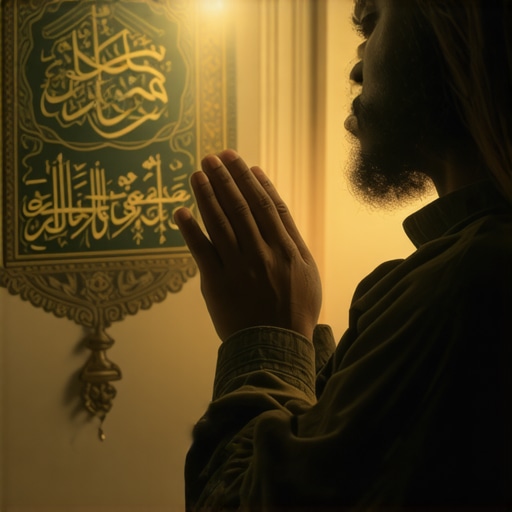
Many people assume that dreams are the sole or most reliable indicator of divine guidance when performing Istikhara, but this is a misconception. In reality, Islamic scholars emphasize that dreams are just one of many signs Allah may send, and their interpretation requires a nuanced understanding. Relying solely on dreams, especially without proper context or interpretation, can lead to misguidance. For instance, dreaming of a snake might be misunderstood as a warning, but without proper knowledge, one might overlook its true meaning — which could be a symbol of caution rather than danger. To deepen your understanding, consider exploring dreams about pregnancy or dreams of snakes in Islamic context, which highlight the importance of correct interpretation.
Another common myth is that performing Istikhara guarantees a clear, unmistakable sign—like a dream or a feeling—that directly points to the right decision. However, the Prophet Muhammad (peace be upon him) instructed that guidance from Allah may come in various forms, such as feelings of tranquility, clarity in thoughts, or even external signs. This means that your intuition, combined with steadfast prayer and patience, plays a crucial role. An advanced mistake many make is to perform Istikhara multiple times in quick succession, seeking a definitive answer, which can lead to confusion or doubt. Instead, Islamic teachings suggest trusting that Allah’s guidance will manifest in ways best suited to your circumstances, and patience is key.
How do I distinguish divine signs from personal biases?
This is a vital question for those seeking authentic guidance. The danger lies in projecting personal desires onto signs or dreams, thus creating a confirmation bias. For example, if you strongly wish to accept a career offer, you might interpret a peaceful dream as a sign to proceed, even if it might have other meanings. To avoid this trap, consult trustworthy Islamic scholars or dream dictionaries, and always pray for clarity. Remember, divine guidance often aligns with your best interest in faith and righteousness, not just personal preference. For a comprehensive approach, review dreams about a baby girl or dreams about losing teeth to understand how signs can be subtle yet significant.
Finally, keep in mind that consistency in prayer, sincere supplication, and patience are crucial. Allah’s guidance is often gradual, unfolding over time through multiple signs and reflections. Trust in His wisdom, and avoid rushing to interpret every dream or sign hastily. Have you ever fallen into this trap? Let me know in the comments.
Investing in Reliable Tools for Dream and Guidance Clarity
Maintaining a steady connection with divine guidance requires not only sincerity but also the right tools to deepen your understanding of dreams and signs. Personally, I rely heavily on a few specific methods that have transformed my spiritual practice over the years. These tools help me interpret dreams accurately and stay aligned with Allah’s guidance, especially when facing important decisions like career changes or life shifts.
Keep a Dream Journal to Capture Divine Messages
The first tool I recommend is maintaining a detailed dream journal. As soon as I wake up, I write down every detail I remember, from symbols and colors to feelings and impressions. This habit helps me notice patterns over time, making it easier to identify recurring symbols like snakes or birds, which have specific meanings in Islamic dream interpretation. For example, dreaming of a snake might signal caution, as explored in this resource. Regular journaling boosts your ability to recognize divine signs when they appear, especially if you cross-reference your dreams with trusted Islamic dream dictionaries.
Use Authentic Dream Interpretation Resources
Beyond personal reflection, I utilize reputable Islamic dream dictionaries, such as the one available at Islamic Dream Dictionary. These resources provide nuanced understandings of symbols, from animals to colors. For instance, I learned that dreaming of a lion can symbolize strength and divine protection, aligning with the spiritual insights I seek during guidance. Investing in a good, well-researched dream dictionary ensures that interpretations stay rooted in Islamic teachings rather than superstitions or misconceptions.
Leverage Modern Apps for Spiritual Reflection
To keep my guidance tools modern and accessible, I use digital apps designed for dream journaling and supplication tracking. These apps send reminders for prayer, help organize dream entries, and even offer insights based on Islamic teachings. Over time, I’ve noticed how integrating technology enhances my consistency and helps me stay spiritually connected, especially during busy periods. As technology evolves, I predict more apps will incorporate AI-driven interpretations to assist us in understanding divine signs more accurately, making spiritual practice more accessible for everyone.
How do I maintain these tools over time?
Consistency is key. I set aside a specific time each morning for journaling and reviewing my dreams. I also participate in community-based study groups that discuss dream interpretations and divine signs, which keeps me motivated and accountable. Regularly updating my resources and staying open to learning from scholars and trusted sources ensures I stay aligned with Islamic teachings. Remember, the goal isn’t just collecting signs but understanding them correctly to navigate life faithfully.
Now, I encourage you to try integrating a dream journal into your routine today. Even a simple notebook or a note app can be a powerful step toward clearer divine guidance. This small investment can significantly improve your ability to interpret dreams and trust Allah’s signs, helping you make confident, faith-based decisions in your personal and professional life.
< >
>
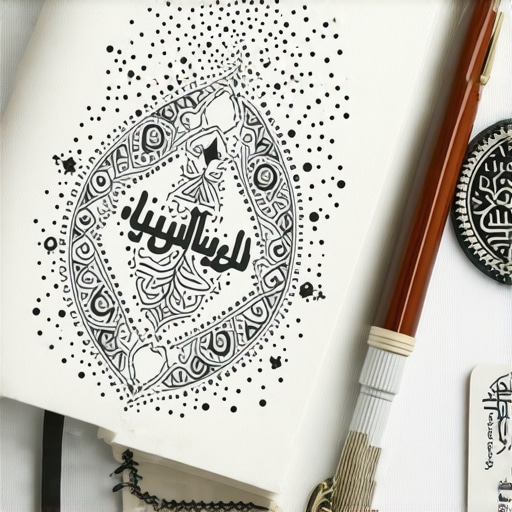
Imagine an organized, beautifully kept dream journal with Islamic symbols and notes—this is a powerful visual reminder of your journey toward divine clarity. An image like this can inspire you to start or improve your own practice, emphasizing the importance of consistency and trust in your spiritual tools.
The Lessons I Wish I Learned Sooner About Divine Signs in Islam
One of the hardest lessons I learned was the importance of patience and sincerity when seeking divine guidance. Early on, I often rushed into decisions without performing proper prayer or reflection, which led to confusion and regret. It took me time to realize that Allah’s signs, especially through dreams, require a calm heart and attentive spirit to understand correctly. Another insight was how easily I underestimated the subtlety of divine signs—sometimes a peaceful feeling or a small detail in a dream carries immense meaning. The moment I started trusting Allah’s timing and seeking knowledge from authentic sources, my decision-making process became much clearer. Lastly, I discovered that relying solely on dreams without prayer and reflection can distort guidance. True clarity comes from combining sincere supplication with spiritual awareness, which I now prioritize in my life.

This article resonates deeply with me, especially the emphasis on combining sincere prayer with dream interpretation when seeking guidance for life-changing decisions. I appreciate how it highlights that divine signs are not always obvious and require patience and understanding. I remember a time when I was hesitant to change careers; I performed Istikhara honestly but was overwhelmed by doubt afterward. Reflecting on this, I realize I should have paid closer attention to my dreams and inner feelings rather than rushing into conclusions. Dream journaling has been invaluable for me; it helps recognize patterns and subtle signs I might otherwise overlook. Has anyone found that maintaining a detailed dream journal influences their decision-making process? I’d love to hear how others have integrated this spiritual tool into their lives and what signs they’ve interpreted that led to significant life choices.
This post beautifully highlights the significance of incorporating both sincere prayer and dream interpretation into our decision-making process. I agree that dreams, when approached with proper knowledge and humility, can serve as powerful divine signs guiding us toward the right path. In my experience, maintaining a dream journal has been instrumental; it not only helps in recognizing recurring symbols but also deepens my connection with Allah’s guidance. I particularly appreciate the emphasis on patience and sincerity—sometimes, we seek immediate answers, but true clarity often requires time and reflection. I’ve found that relying solely on dreams without prayer can be misleading, but combined, they create a comprehensive approach to understanding divine will. Have others here experienced moments where a subtle dream or feeling ultimately shaped a major life decision? I believe trusting Allah’s timing and signs continuously enhances our faith and confidence in His guidance, especially during uncertain times.