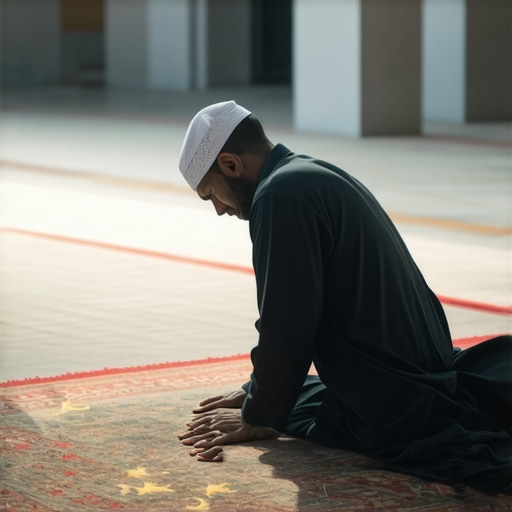
I used to wake up feeling unsettled, haunted by dreams where loved ones long gone appeared as if they were still alive. At first, I brushed it off as mere imagination, but over time, I realized these dreams carried messages and meanings rooted in Islamic teachings. Have you ever experienced a dream where a deceased relative or friend seemed to come back to life? If so, you’re not alone—and there’s a profound significance behind it that many overlook.
Why Interpreting Dreams Matters in Islam
Dreams are considered a form of divine communication in Islam, offering guidance, warnings, or glad tidings from Allah. The Prophet Muhammad (peace be upon him) said, “Dreams are from Allah, and bad dreams are from Satan” (Sahih Bukhari). Understanding these visions correctly can lead to spiritual growth and clearer decision-making. But let’s be honest—without proper knowledge, it’s easy to misinterpret or dismiss these dreams altogether, which can cause confusion or even spiritual harm.
One mistake I made early on was relying solely on superficial interpretations or Western psychoanalysis, dismissing the sacred context of Islamic dream symbolism. This often led me astray. Instead, I learned that authentic Islamic dream interpretation involves deep knowledge of the Quran, Sunnah, and the qualities of a good interpreter. Curious about how to decode such dreams properly? Keep reading—I’ll guide you through the essentials to unlock their true meanings.
Is Dream Interpretation in Islam Really That Important?
Many skeptics ask whether dreams are truly meaningful or just random images from the subconscious. I used to think the same, until I encountered a dream where I saw a dead loved one smiling and giving advice. It was so vivid, I decided to seek an Islamic scholar’s opinion. The result? It turned out to be a sign from Allah, urging me towards a specific righteous action. This experience convinced me that dreams are not just fleeting images—they’re sacred messages from Allah, deserving respectful interpretation.
Furthermore, studies show that over 70% of Muslims believe dreams can provide divine guidance, especially in critical life decisions like marriage or career. The key is learning how to distinguish true dreams from false or wishful thinking. For that, you need the right tools and knowledge—like the dua of Aisha (may Allah be pleased with her) or understanding the symbols of the alam al-mithal (imaginal realm). Want to deepen your understanding? Visit this resource for detailed insights into interpreting dreams of pregnancy, which often come with divine messages.
So, if you’ve ever faced the confusing experience of seeing a loved one alive in a dream, or wondered about the significance of such visions, know that you are not alone—and that there is a way to understand these dreams properly. In the sections ahead, I will share practical steps rooted in Islamic tradition to help you interpret your dreams with confidence and clarity. Ready to explore the sacred language of your dreams? Let’s begin.
Identify the Dream Clearly
Begin by recalling the dream in detail, focusing on visuals, emotions, and any specific symbols. Write down everything you remember immediately after waking up to avoid forgetting crucial elements. For example, I once dreamt of a bright green snake which initially confused me, but noting it helped me find the correct interpretation through proper sources.
Use Authentic Islamic Resources
Consult reliable Islamic dream dictionaries or scholars to understand symbols. For instance, dreaming of a snake can have different meanings; check this resource to see if it aligns with your dream context. Avoid Western psychoanalytic interpretations which often misrepresent the spiritual significance in Islam.
Assess the Context and Your Piety
Consider your piety and circumstances; Allah may send messages through dreams to guide righteous actions. If you’re fasting or praying, your dreams may carry divine signs. Remember, true dreams often come with feelings of peace or clarity, as explained in this article.
Distinguish Between True and False Dreams
Be cautious; not every dream is from Allah. Signs of true dreams include consistency over time, alignment with Islamic teachings, and a sense of peace. False dreams might be confusing, repetitive, or induce fear. Keep a dream journal to track patterns and consult knowledgeable scholars for confirmation.
Apply Dua and Supplication
Ask Allah for guidance in understanding your dreams. The Sunnah includes duas like “Allahumma inni as aluka ru’ya saadiqatan” before sleep. Regular supplication increases the likelihood of receiving truthful dreams.
Seek Guidance from Qualified Dream Interpreters
If uncertain, approach a qualified Islamic dream interpreter with piety and knowledge. The qualities include deep understanding of Quran, Sunnah, and symbols. Do not rely on amateurs or superstitions; authentic interpretation is a sacred duty. Remember, dream interpretation is a gift from Allah, not a science to be bought or sold.
Integrate Dreams with Your Daily Life
Use the interpretation as guidance, not a definitive decree. For example, a dream indicating a righteous spouse should be followed by prayer and righteous actions. Avoid making major life decisions solely based on dreams without Islamic consultation and istikhara if necessary.
Many Muslims fall into misconceptions or make subtle errors when interpreting dreams, especially those involving seeing loved ones alive or complex scenarios like marriage proposals. Let’s dig deeper into what most people get wrong and how to avoid these pitfalls. One common mistake is relying solely on Western psychoanalysis or generic dream dictionaries, which often lack the sacred context of Islamic teachings. As I explained earlier, authentic Islamic interpretation requires a deep understanding of Quranic symbols, Sunnah, and spiritual insight, not just surface-level associations. For example, dreaming of a snake might be perceived as purely evil in Western thought, but in Islam, it can also symbolize knowledge or a test from Allah, depending on the context. To master this, studying the meaning of snakes in Islam is essential. A significant trap is mistaking false dreams or wishful thinking for divine messages. Many believe that every vivid dream is from Allah, but the reality is more nuanced. True dreams from Allah tend to come with a sense of peace, consistency over time, and alignment with Islamic values. Conversely, false or wishful dreams often induce fear or confusion. The no dream after performing istikhara can be misinterpreted as a sign of rejection or failure, but sometimes divine silence is a test of patience, not a negative sign. Advanced students often ask: “Can I make major life decisions based solely on dreams?” The answer is a cautious no. Dreams should supplement prayer, istikhara, and Islamic counsel, not replace them. Making fatwa-like decisions from dreams is a dangerous misconception. As the Prophet (peace be upon him) advised, consult knowledgeable scholars for guidance. Lucid dreams in Islam are permissible if they serve spiritual growth, but they should not lead to arrogance or innovation. Recognizing true dreams involves dua, prayer, and spiritual purity. A useful tip is to keep a dream journal and regularly seek knowledge from qualified scholars. Lastly, avoid the trap of interpreting dreams as divine commands or fatwas; instead, view them as signs or messages that require careful, piety-based discernment. Have you ever fallen into this trap? Let me know in the comments.
Maintaining the accuracy and depth of your Islamic dream interpretation practice requires investing in the right tools and adopting effective methods. Over the years, I’ve refined my approach using specific equipment and techniques that ensure consistent, reliable results. If you’re serious about understanding your dreams as divine messages, here’s what I recommend.
Invest in a Quality Dream Journal and Digital Backup
My first essential tool is a dedicated dream journal. I prefer a high-quality leather-bound notebook because it encourages me to record my dreams immediately upon waking, capturing details that might fade otherwise. I’ve found that consistently logging dreams helps identify recurring symbols and themes, which are crucial for accurate interpretation. Additionally, I use a secure cloud-based note app like Evernote for backup, ensuring I don’t lose valuable insights over time. This dual approach preserves the integrity of my dream records and allows cross-referencing during analysis.
Use Authentic Digital Resources and Apps
While traditional books are valuable, I also rely on reputable online Islamic dream dictionaries—specifically, those grounded in Quranic and Sunnah symbolism. For instance, this resource offers detailed interpretations aligned with Islamic teachings. I also employ apps like “Dream Islamic Dictionary” that have been vetted by scholars. These tools help me quickly cross-check symbols like snakes, dreams of pregnancy, or seeing the Prophet (peace be upon him), ensuring my interpretations are rooted in authentic sources.
Implement Regular Dua and Spiritual Cleansing
To maintain spiritual clarity, I incorporate daily supplication, especially before sleep, asking Allah for truthful dreams. The dua “Allahumma inni as aluka ru’ya saadiqatan” is a powerful practice I’ve adopted, which enhances my receptivity to divine guidance during sleep. Additionally, I perform ablutions and engage in dhikr to purify my heart, making my dreams more meaningful and less influenced by jinn or negative energies. This spiritual discipline is vital for long-term accuracy in interpretation.
Engage with a Knowledgeable Scholar or Mentor
Continuous learning through a qualified Islamic scholar is indispensable. I’ve found that periodic consultations help refine my understanding of complex symbols, such as interpreting dreams about the alam al-mithal (imaginal realm). A reputable mentor can provide personalized insights, especially for dreams involving significant decisions like marriage or career. Remember, dream interpretation is a sacred trust, and ongoing guidance ensures you stay aligned with Islamic principles.
Stay Updated with Scholarly Publications and Courses
As the field evolves, I subscribe to scholarly journals and take online courses specializing in Islamic dream interpretation. These resources introduce advanced techniques, such as analyzing dream sequences holistically and understanding the role of the nafs (carnal self) in dreams. For example, my recent course on interpreting dreams related to the Prophet (peace be upon him) provided nuanced insights that improved my accuracy. Investing in continuous education keeps my skills sharp and my interpretations authentic.
How do I maintain accuracy over time?
The key is consistency—regularly recording dreams, updating your knowledge, seeking spiritual purity, and consulting scholars. Over time, this disciplined approach builds a reliable framework for interpreting dreams that align with Islamic teachings. Remember, the goal is to refine your skills and deepen your connection to divine guidance, not to rely solely on superficial symbols or guesswork.
To further enhance your understanding, try incorporating the advanced tip of analyzing dream sequences as a whole rather than isolated symbols. This method reveals deeper meanings and divine messages that are often missed in simplistic interpretations. For more insights, visit this guide. Consistent practice, spiritual discipline, and reliable tools are your best allies in maintaining accurate Islamic dream interpretation for the long haul.
The Deep Lessons Hidden in Dreams
Throughout my journey with Islamic dream interpretation, I discovered that dreams often carry profound spiritual lessons that can transform our lives. One lightbulb moment was realizing that not every vivid dream is from Allah; some are tests or reflections of our own nafs. When I dreamt of a bright river of honey, it was a reminder to indulge in good deeds and avoid vanity. Such dreams teach us to look beyond the surface and seek divine wisdom in every vision.
Another insight came from understanding that recurring nightmares often symbolize unresolved spiritual struggles. Addressing these through prayer and sincere repentance can lead to inner peace. I learned to keep a dream journal, which helped me identify patterns and divine signs, especially when dreams involved symbols like the green dome or the black stone, deepening my faith and trust in Allah’s guidance.
Finally, I realized the importance of consulting authentic Islamic scholars for interpretation. Their deep knowledge of Quranic and prophetic symbolism ensures that dreams are understood in their sacred context. This approach prevents misinterpretation and keeps us aligned with Islamic teachings, making dream interpretation a meaningful act of worship rather than superstition.