The Traditional Symbolism of Armadillo Armor: Divine Protection
In the rich tapestry of Islamic spiritual thought, every creature is viewed as an Ayah or a sign from the Creator. While the armadillo is an animal native to the Americas and not explicitly mentioned in classical 7th-century texts, its defining characteristic—the protective armor—resonates deeply with the Islamic concepts of Al-Hafiz (The Guardian) and Al-Mu’min (The Giver of Security). Within the tradition of interpreting dreams of animals, the physical attributes of a creature are the primary key to its spiritual meaning. The armadillo’s shell represents a boundary, a sanctuary, and a divinely granted defense mechanism that mirrors the spiritual shields believers are encouraged to cultivate.
Ancestral interpretations of armor in dreams, such as those discussed by scholars like Ibn Sirin regarding coats of mail, suggest that such imagery signifies safety from one’s enemies and protection against the trials of the world. When we apply this to the specific form of the armadillo, we see a representation of a person who is granted a unique form of divine protection that allows them to move through hostile environments unscathed. This is not just physical safety; it is the spiritual resilience (Sabr) that comes from a heart anchored in faith. Just as the armadillo retreats into its shell, the believer retreats into Dhikr (remembrance of God) to find peace during times of war and conflict.
Historically, Islamic folklore regarding animals emphasizes their submission to the will of Allah. An animal that carries its own house and shield is a symbol of self-sufficiency granted by the Divine. It suggests that the resources needed for protection are already within the individual, placed there by God. This aligns with the concept of Taqwa, often translated as God-consciousness, which acts as a barrier or a shield between the soul and that which would harm it spiritually. In many ways, the armadillo’s armor is a biological manifestation of the verse: ‘But Allah is the best guardian, and He is the most merciful of the merciful’ (Quran 12:64).
The Psychological Significance of the Armor
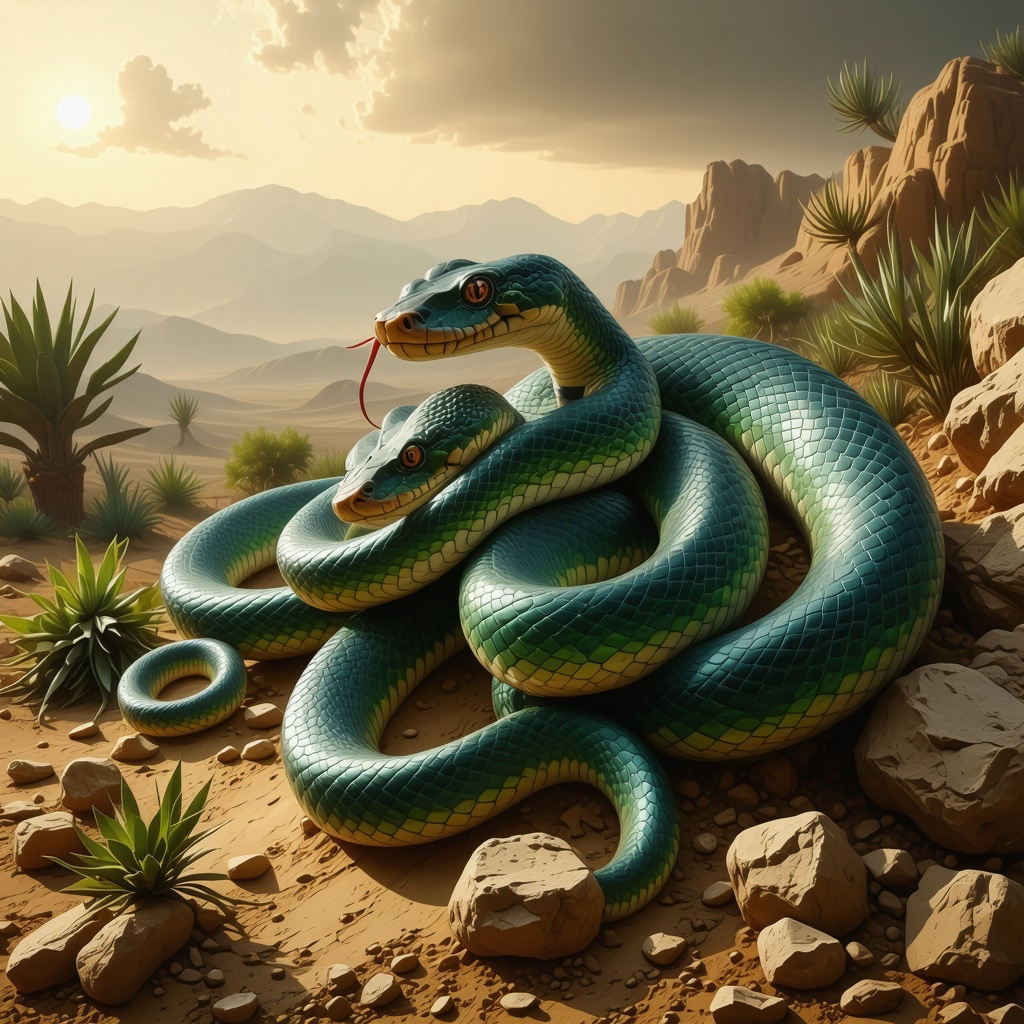
From a psychological perspective, dreaming of armadillo armor points to the internal architecture of the subconscious. Layer 1: Internal Fears and Desires. The armor often symbolizes the walls we build around our hearts. If you are experiencing a transition or feeling vulnerable, your mind may use the image of the armadillo to express a desire for a protective layer. Are you shielding yourself from a perceived threat, or perhaps hiding your true self from others? In Islam, the heart (Qalb) is the center of the soul, and protecting it from corruption is a primary duty. However, excessive armor can lead to isolation. Much like exploring the symbolism of snakes, where the snake might represent hidden danger, the armadillo represents the defensive response to that danger.
Layer 2: Emotional State and Stress. If the dreamer is under significant pressure, the armadillo appears as a reminder of resilience. It suggests that while the exterior may be hardened to withstand the environment, the interior remains soft and sensitive. This reflects the psychological state of a person undergoing a trial (Bala). They are maintaining a stoic front while navigating spiritual growth. If you find yourself dreaming of such protection, it may be time to evaluate whether your boundaries are healthy or if they have become too rigid, preventing you from receiving the support of family, such as the nurturing presence of a mother or the community.
Variations of Armadillo Armor in Dreams
The specific context of the dream changes its meaning significantly. If you see a giant armadillo, it may indicate a massive spiritual shield or a large-scale protection covering your entire household. Conversely, a broken shell suggests a breach in one’s spiritual defenses, perhaps indicating a need to renew one’s prayers or seek forgiveness. If the armadillo is white, it symbolizes the purity of the protection—a sign of Barakah (blessing) and divine favor. A black armadillo, while not inherently negative, might represent protection during a period of ‘spiritual night’ or hidden trials that only you and the Creator are aware of.
Interaction with the animal also matters. If the armadillo is rolling into a ball, it signals a period of solitude and introspection. It is a call to look inward and focus on self-purification (Tazkiyah). If the armor is being shed, it might represent a transition into a phase of life where you no longer need the heavy defenses of the past, perhaps moving from a state of fear to a state of wealth and prosperity, not just in material terms but in spirit. These variations serve as a mirror to the soul’s current journey, reflecting the fluidity of our spiritual and emotional boundaries.
What to Do: Practical Advice for Reflection
When you encounter the symbol of the armadillo’s armor in your dreams or thoughts, it is an invitation for self-reflection. First, assess your ‘spiritual armor.’ Are you consistent in your daily supplications? These are the real-world equivalents of the armadillo’s plates. Second, consider your boundaries. Are you protecting your peace, or are you shutting out the world? Islam encourages a middle path—being aware and cautious like a traveler, but remaining open to the mercy and connection of the Ummah. If you feel vulnerable, especially regarding life transitions like pregnancy or career changes, take comfort in the fact that protection is a gift you can ask for through Dua.
Finally, remember that while the armadillo relies on its physical shell, the believer relies on the Vakil (The Trustee). Use this symbol as a prompt to strengthen your reliance on God (Tawakkul). The armor is not just to keep things out, but to keep the sacred space within safe. Whether you are dealing with the fear of losing something valuable or navigating the complexities of animal interactions in dreams, the core message remains: you are guarded. Walk with the quiet confidence of a creature that knows it is shielded by the design of its Creator.