
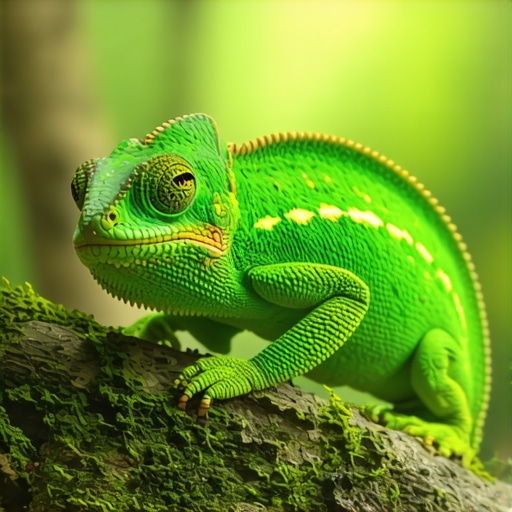
Introduction: The Mystery of the Shifting Surface
In the vast landscape of human psychology and cultural folklore, few symbols are as evocative or as unsettling as chameleon skin. To speak of having a chameleon-like nature is to describe a person who can blend into any environment, adapt to any social circle, and mirror the emotions of those around them with uncanny precision. But what happens when the mask becomes the face? When the ability to adapt turns into an identity crisis that you are hiding even from yourself? Exploring the symbolism of the chameleon skin reveals a deep-seated human desire for survival, the fear of being seen for who we truly are, and the complex psychological machinery behind social mimicry.
The Traditional Symbolism of Chameleon Skin
Throughout history, the chameleon has been viewed with a mixture of awe and suspicion. In various folk traditions, the lizard’s ability to change color was seen as a form of magic or divine protection. Some cultures viewed the chameleon as a messenger of the gods, a creature that existed between worlds because it could look in two directions at once. This dual gaze symbolizes the ability to see the past and the future, or perhaps the internal and external worlds simultaneously. In the context of animal interpretations within folklore, creatures that transform their appearance are often associated with the concept of the ‘Trickster’—a figure that challenges the status quo and forces us to look beyond surface levels.
In older traditions, dreaming of or encountering a creature with shifting skin was often a warning. It suggested that someone in your circle was not being truthful, or that you yourself were losing your core essence to please others. Unlike the steadfastness of a lion or the loyalty of a dog, the chameleon represents the fluid, the ephemeral, and the deceptive. However, it is also a symbol of immense resilience. To have the skin of a chameleon is to possess the ultimate survival tool. In harsh environments where being noticed means being eaten, the chameleon’s skin is its sanctuary. This folk perspective invites us to ask: Are we changing colors to thrive, or are we changing colors because we are afraid to stand out? Much like the symbolism of snakes, which shed their skin to grow, the chameleon reminds us that the surface is always in flux, yet the heart remains.
The Psychological Significance: Layer 1 – Internal Fears and Desires
Psychologically, the metaphor of chameleon skin speaks directly to the concept of ‘social masking.’ We all wear masks to some extent—the professional mask at work, the polite mask at a dinner party, the brave mask during a crisis. However, when the skin of the chameleon becomes a permanent fixture, it often points to a deep-seated imposter syndrome. You may feel that if people saw your true colors, they would reject you. This fear drives the subconscious to constantly scan the environment for cues on how to behave, what to say, and how to feel. This is a form of hyper-vigilance that stems from a lack of internal security.
When this theme appears in dreams, it often indicates a disconnect between your public persona and your private self. Are you hiding a part of your identity because you believe it is ‘wrong’ or ‘unacceptable’? The desire to blend in is often a desire for safety. If you are invisible, you cannot be attacked. If you are exactly like everyone else, you cannot be lonely. But this is a paradox, for while you may be surrounded by people, no one truly knows you, leading to a profound sense of isolation. This emotional state is often as distressing as the anxiety of losing teeth, which represents a loss of control or a fear of being judged by others.
The Psychological Significance: Layer 2 – Emotional State and Transition
The act of changing skin is also a sign of transition. In psychology, we see this during major life shifts—changing careers, moving to a new country, or entering a new relationship. You ‘put on’ a new skin to navigate the new terrain. However, if you find yourself unable to stop changing, it suggests a state of chronic stress. Your nervous system is stuck in ‘survival mode,’ prioritizing adaptation over authenticity. This can lead to emotional burnout, as the energy required to maintain a constant facade is enormous.
Consider the emotional weight of a dream where your skin is literally changing. It mirrors the feeling of being ‘thin-skinned’ or overly sensitive to the opinions of others. You might be absorbing the emotions of people around you, much like how a chameleon absorbs the colors of its surroundings. This lack of emotional boundaries can be as overwhelming as dreaming of war and conflict, where the internal struggle for peace is constantly interrupted by external pressures. Identifying with the chameleon skin is often a cry from the subconscious to establish firm boundaries and rediscover what lies beneath the camouflage.
Variations of Chameleon Skin: Decoding the Scenarios
The way the chameleon skin manifests in your thoughts or dreams can change its meaning significantly. For instance, dreaming of bright, vibrant colors appearing on your skin might suggest a creative awakening or a period of intense self-expression that you are finally allowing yourself to experience. Conversely, dreaming of grey or dull skin could indicate that you are suppressing your vitality to fit into a sterile or oppressive environment. If you dream that you are trying to change colors but cannot blend in, it may reflect a fear of being exposed or a realization that you no longer fit into your current social circle.
Watching someone else turn into a chameleon often represents a lack of trust in that person. You may subconsciously feel that they are ‘two-faced’ or that their loyalty is dependent on their environment. This is similar to the cautionary tales found in an Islamic dream dictionary regarding the deceptive nature of worldly appearances. Whether the dream involves snakes, dogs, or cats, the presence of an animal that changes its nature or hides its intent is a call to look at the ‘vibe’ of your relationships. Are the people around you authentic, or are they merely reflecting what you want to see?
What to Do: Practical Advice for Self-Reflection
If you feel the ‘chameleon skin’ taking over your life, the first step is radical honesty. Start by identifying one area of your life where you feel the most ‘fake.’ Is it with your family, your partner, or your colleagues? Understanding the why behind the camouflage is crucial. Are you protecting yourself from criticism, or are you trying to gain favor? Once you identify the motivation, you can begin to peel back the layers. This process of self-discovery is much like the journey of pregnancy—it is a slow, often uncomfortable gestation of a new, more authentic version of yourself.
Practical steps include journaling without self-censorship, setting small boundaries in social situations, and spending time alone to reconnect with your own thoughts without the influence of others. Remember that the chameleon’s greatest strength is its adaptability, but its greatest weakness is its lack of a permanent hue. Your goal is to integrate the chameleon’s skill for navigation with the solid core of your true identity. If you have questions about specific symbols or need further guidance, you can always contact us or review our privacy policy for how we handle your personal journey of discovery. Your mother always said to be yourself; in the world of dream interpretation, the mother symbol often represents that nurturing voice of truth. Listen to it, and let your true colors shine through the scales.