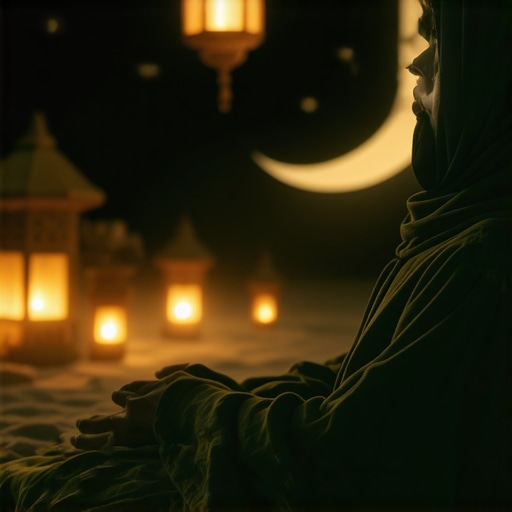
My Personal Journey with Fasting in Ramadan and Dream Interpretations
Ever since I embraced Islam, the spiritual significance of Ramadan has deeply resonated with me. I remember my first Ramadan, when I started observing fasting, and soon after, I began experiencing vivid dreams that felt packed with meaning. These dreams, I realized, could be sacred signs guiding my spiritual journey. Today, I want to share my insights into how fasting in Ramadan influences our dreams and what these divine messages might mean.
The Spiritual Power of Fasting in Ramadan and Dream Symbolism
Fasting during Ramadan isn’t just a physical act; it’s a profound spiritual purification. It helps cleanse the soul and opens a channel for divine communication. I learned that in Islamic tradition, dreams during this holy month are often filled with symbolism—like seeing water representing purity or light indicating divine guidance. These symbols may serve as Allah’s way of communicating with us, especially when our hearts are more receptive.
How Does Fasting Influence Dream Content?
From my personal experience, fasting seems to heighten my awareness of spiritual messages. The act of abstaining from food and water during daylight hours creates a moment of mindfulness that extends into my dreams. I’ve noticed more visions that reflect my inner state—sometimes warnings, other times blessings. According to Islamic scholars, such dreams could be a form of divine inspiration, especially during Ramadan when the spiritual veil is thinner.
What Do Sacred Signs in Dreams During Ramadan Really Mean?
This question has often crossed my mind. Islamic dream interpretation suggests that dreams during Ramadan might contain hidden meanings, guiding us on our spiritual path. For example, dreaming of a mosque could symbolize spiritual renewal, while dreaming of a snake might warn us of hidden dangers—see more about interpreting dreams of animals here. I’ve come to believe that these signs are divine messages meant to enhance our faith and understanding.
If you’re curious about the deeper symbolism of dreams during Ramadan, I recommend exploring Islamic dream dictionaries and consulting knowledgeable scholars. Remember, the intention behind fasting and prayer can greatly influence the clarity of these divine messages.
If you wish to share your own experiences or have questions about interpreting dreams during Ramadan, I invite you to leave a comment below. Your insights could help others on their spiritual journey.
Deciphering Dreams During Ramadan: A Deeper Dive into Spiritual Symbols
In my journey of understanding Islamic dream symbolism, Ramadan stands out as a sacred period where the veil between the spiritual and material worlds becomes thinner. During this blessed month, many Muslims report more vivid and meaningful dreams, often filled with divine signs and messages. Such dreams can serve as personal guidance, warnings, or blessings from Allah, provided we approach their interpretation with sincerity and knowledge.
The Influence of Fasting on Dream Clarity and Content
Fasting creates a unique spiritual environment—one where the soul purifies and becomes more receptive to divine communication. Abstaining from food, drink, and worldly distractions during daylight hours heightens mindfulness, which often manifests in our dreams. I have noticed that these dreams tend to contain clearer symbolism, making it easier for us to discern their meanings. Islamic scholars emphasize that dreams during Ramadan are often imbued with spiritual significance, especially when accompanied by sincere prayer and supplication.
What Are the Common Symbols and Their Hidden Meanings in Ramadan Dreams?
Dream symbols during Ramadan can vary, but some recurring themes include water representing purity and spiritual renewal, light signifying divine guidance, and mosques indicating a call to increased worship. For instance, dreaming of water might suggest purification of the heart, while seeing oneself praying in a mosque could herald a period of spiritual awakening. Conversely, dreaming of snakes or animals like dogs might serve as warnings—see more about interpreting dreams of animals here.
It’s essential to approach these symbols within the context of one’s life circumstances and spiritual state. Islamic dream interpretation often relies on the principle that Allah communicates with us through signs, and understanding these signs requires patience, prayer, and sometimes consultation with knowledgeable scholars.
Practical Steps to Enhance Dream Interpretation During Ramadan
To deepen your understanding of divine messages conveyed through dreams, consider maintaining a dream journal—recording dreams immediately after waking to capture details before they fade. Reciting Surah Al-Kahf or specific supplications before sleep can also open your heart to clearer visions. Moreover, seeking knowledge through trusted Islamic sources and scholars will help you develop a nuanced perspective. Remember, the goal isn’t just about decoding symbols but aligning oneself with Allah’s guidance and increasing faith.
If you’re interested in exploring the symbolism of dreams further, I recommend reading about the significance of dreams in Islamic tradition, such as understanding the imaginal realm, or *alam al-mithal*. This concept explains how dreams serve as a bridge between the seen and unseen worlds—see more about exploring this realm here.
Would you like to share your own experiences with dreams during Ramadan, or seek guidance on interpreting specific symbols? Feel free to leave a comment below. Your insights might illuminate the path for others seeking divine understanding through their dreams.
Beyond the Veil: Personal Experiences with Dream Interpretation in Ramadan
As I continue my journey through Ramadan, I find that my dreams become not just nightly occurrences but sacred messages waiting to be deciphered. One particular night, I dreamt of a radiant crescent moon illuminating a path through a dark forest—an image that felt profoundly symbolic. Such dreams, I believe, are opportunities granted by Allah to deepen our faith and understanding of our spiritual state. The more I explore Islamic dream symbolism, the more I realize how layered and nuanced these divine signs can be, requiring patience, prayer, and sincere reflection to interpret correctly.
The Deep Significance of Dream Symbols in Ramadan
Dream symbols during Ramadan often carry a richness that surpasses ordinary visions. For example, dreaming of water might symbolize spiritual cleansing, but it can also represent divine mercy or the flow of blessings from Allah. Light in dreams frequently signifies divine guidance or enlightenment—reminding us to seek knowledge and clarity. When I see myself praying in a mosque within my dreams, I feel a call to increase my worship and connect more deeply with Allah’s presence. These symbols serve as spiritual checkpoints, guiding us toward better understanding and self-improvement. To explore the deeper meanings of common dreams, I recommend reading about Islamic dream symbolism, such as dreams of animals, which can reveal warnings or blessings depending on context.
Can Dreams During Ramadan Reveal Hidden Warnings or Divine Guidance?
This is a question I often ponder—how to distinguish between mere subconscious images and genuine divine messages. Islamic teachings suggest that dreams during Ramadan, especially those that evoke strong emotional responses or vivid clarity, are more likely to be divinely inspired. For instance, encountering a snake might seem frightening, but if it appears during Ramadan, it could symbolize spiritual danger or temptation that needs to be addressed. Conversely, seeing a peaceful river might herald upcoming blessings or success. The key lies in approaching dreams with sincerity—reciting supplications like Ruqyah, seeking Allah’s guidance, and maintaining a humble heart open to divine messages. I also find that consistent prayer and Istikhara help in clarifying whether a dream is a sign from Allah or a product of my mind. If you’re interested in understanding more about interpreting dreams that carry warnings or blessings, you might explore dreams about losing teeth or other signs that have deep spiritual significance.
Engaging with Dreams: Practical Steps for Deeper Spiritual Connection
To truly benefit from these divine signs, I keep a dream journal, writing down every detail immediately upon waking. This practice helps me recognize recurring themes or symbols that might be more significant than they initially appear. Additionally, I often recite Surah Al-Kahf before sleep, believing it opens the heart to divine wisdom. Seeking knowledge from reputable Islamic scholars or trusted dream dictionaries like Islamic dream dictionaries has also enriched my understanding. Remember, the ultimate goal isn’t just decoding symbols but aligning our hearts with Allah’s guidance and increasing our faith through sincere prayer and reflection. If you’re curious about further exploring the symbolism of dreams or want to share your experiences, I warmly invite you to comment below—your insights could be a beacon for others on this spiritual path.
The Layers of Dream Symbols in Ramadan’s Sacred Atmosphere
As I delve deeper into the realm of Islamic dream interpretation, I’ve come to appreciate the intricate layers of symbolism that unfold during Ramadan. This sacred month creates an environment where the soul’s receptivity is heightened, allowing for more vivid and spiritually charged dreams. For instance, dreaming of a luminous star might not only signify divine guidance but also indicate a personal spiritual milestone. Islamic scholars emphasize that during Ramadan, these symbols often carry multifaceted meanings, reflecting both individual spiritual progress and broader divine messages. To truly grasp these messages, it’s essential to consider the context of the dream within one’s personal life and spiritual journey, as well as the timing and emotional tone of the vision. I recommend exploring the deeper significance of these symbols through trusted Islamic dream dictionaries and consulting knowledgeable scholars, as understanding the layered messages can profoundly influence our faith walk.
Unveiling the Hidden Significance of Dream Symbols: Water, Light, and Creatures
Among the most recurrent symbols during Ramadan are water, light, and animals. Water often symbolizes purification, divine mercy, or the flow of blessings—its appearance in dreams can herald spiritual cleansing or upcoming grace. Light, as in many Islamic traditions, signifies divine guidance, enlightenment, and knowledge—dreams illuminated by a radiant glow may suggest that Allah is guiding you toward a particular path or decision. Creatures like snakes, dogs, or birds carry specific meanings; for example, a snake might represent spiritual danger or temptation, while a bird could symbolize hope or divine inspiration. Recognizing these symbols’ significance requires careful reflection, prayer, and sometimes consultation with Islamic dream experts. For more nuanced insights into specific symbols, consider reviewing detailed interpretations such as those found at Islamic dream dictionaries or exploring the symbolism of snakes in dreams here.
How Can I Differentiate Between Personal Subconscious and Divine Guidance in Dreams?
This is a question I often grapple with—distinguishing between dreams born of our subconscious and those that are divine messages. Islamic teachings suggest that dreams during Ramadan, especially those that evoke strong emotional responses or vivid clarity, are more likely to be divinely inspired. For example, a dream involving a peaceful river might symbolize divine mercy, whereas recurring nightmares could indicate unresolved spiritual conflicts or warnings. To discern these, I advise engaging in sincere supplication, reciting specific prayers like Ruqyah, and performing Istikhara to seek Allah’s guidance. Keeping a detailed dream journal and seeking counsel from knowledgeable scholars can also aid in understanding whether a dream is a divine sign or a product of the nafs (carnal self). Remember, sincerity and humility are key in approaching this spiritual discernment process.
Engaging with Your Dreams: Practical Steps for Deepening Spiritual Connection
To truly benefit from divine messages conveyed through dreams, I recommend maintaining a disciplined approach. Start by recording dreams immediately upon waking, capturing every detail before they fade—this practice enhances your ability to recognize patterns over time. Regular recitation of Surah Al-Kahf or specific supplications before sleep can open your heart to clearer visions. Additionally, seeking knowledge from reputable Islamic sources and scholars can deepen your understanding of dream symbolism. Engaging in regular prayer, remembrance, and sincere supplication creates a fertile ground for divine communication. Remember, the goal is not merely decoding symbols but aligning your heart with Allah’s guidance and increasing your faith through reflection and sincere devotion. If you wish to explore more advanced insights or share your personal experiences, I invite you to connect through the comments—your journey might inspire others to recognize divine signs more acutely.
Things I Wish I Knew Earlier (or You Might Find Surprising)
1. Dreams Are More Than Just Nighttime Fantasies
Early in my spiritual journey, I underestimated the power of dreams during Ramadan. I now realize that these visions can be divine messages, guiding us on our faith path, especially when our hearts are open through fasting and prayer.
2. Symbols Are Personal Yet Universally Significant
Water, light, animals—they all carry deep meanings, but their significance can vary based on personal circumstances. Recognizing this helped me interpret my dreams more accurately and spiritually.
3. Fasting Heightens Dream Clarity and Spiritual Awareness
fasting during Ramadan creates a heightened state of mindfulness that often translates into clearer, more meaningful dreams. This period feels like a spiritual amplifier, making divine messages more accessible.
4. Dream Symbols Can Warn or Bless
From my experience, dreams of snakes or dark clouds often serve as warnings, while water and light symbolize blessings and divine guidance. Learning to discern these signs has deepened my faith and trust in Allah’s wisdom.
5. Keeping a Dream Journal Is a Game-Changer
Recording dreams immediately upon waking helps me notice patterns and recurring symbols, turning dreams into a spiritual practice rather than fleeting images.
6. Knowledge and Humility Are Key to Proper Interpretation
Consulting Islamic dream dictionaries and scholars, paired with sincere prayer, helps ensure I understand divine messages correctly, avoiding misinterpretation.
Resources I’ve Come to Trust Over Time
- Islamic Dream Dictionary: An invaluable resource that offers nuanced insights into dream symbolism, helping me decode divine signs more confidently.
- Scholarly Articles on Dream Interpretation: Engaging with trusted Islamic scholars’ writings has deepened my understanding of dream messages during Ramadan.
- Surah Al-Kahf Recitation: Regularly reciting this chapter before sleep amplifies spiritual receptivity and clarity in dreams.
- Islamic Websites and Forums: Platforms like Islamskisanovnik.net foster community discussions and expert guidance, enriching my journey.
Parting Thoughts from My Perspective
Dream interpretation during Ramadan is a profound aspect of Islamic spirituality that I wish I had embraced earlier. Recognizing that dreams can be divine messages, especially in this sacred month, has transformed my faith practice. The symbols we encounter—water, light, animals—are like spiritual signposts guiding us closer to Allah. To truly benefit from these signs, patience, sincerity, and seeking knowledge are essential. If this resonated with you, I’d love to hear your thoughts or experiences. Remember, your dreams might hold the key to divine guidance—trust in Allah’s wisdom and keep your heart open to His signs.