
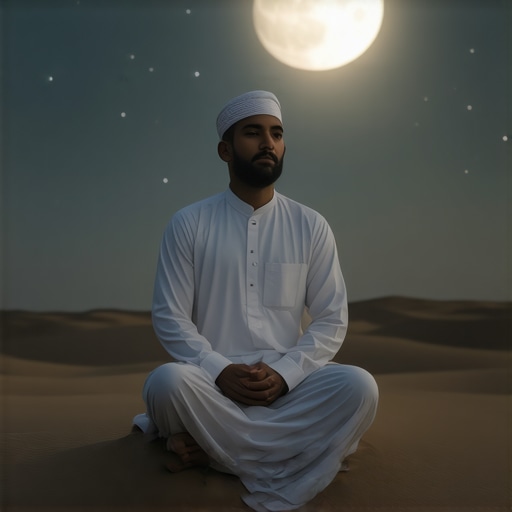
Have you ever woken up feeling confused after dreaming of a loved one who has passed away, only to wonder what it truly meant? Or perhaps you’ve seen your husband with another woman in a dream and felt a surge of anxiety, questioning its significance? I remember my own early struggles with understanding such dreams. I once dreamt of a deceased relative smiling at me, and I was overwhelmed by a mix of comfort and curiosity about its divine message. It was only after studying Islamic dream interpretation that I realized these dreams are often divine signals, meant to guide and warn us.
Why Dreams Matter in Islam
In Islam, dreams are considered a form of divine communication. The Prophet Muhammad (peace be upon him) said, “Dreams are one of the forty-six parts of Prophethood” (Sahih Bukhari). This highlights their spiritual significance. Yet, many of us overlook or dismiss dreams, thinking they are mere illusions or products of our subconscious. The truth is, understanding how to interpret these dreams can profoundly impact our spiritual journey and decision-making. For instance, a dream about seeing the Prophet in his true shape is believed to be a true dream from Allah, offering guidance on critical matters. If you’re like me, you might have faced skepticism or felt lost in decoding these messages — but there’s good news. With proper knowledge, we can learn to recognize authentic dreams and distinguish them from mere wishful thinking.
Is Dream Interpretation in Islam Actually Worth the Hype?
Initially, I made the mistake of relying on popular dream dictionaries that often misinterpret symbols or project personal biases. Later, I discovered that true Islamic dream interpretation requires piety, knowledge, and a sincere connection to Allah. It’s not about guessing or superstition but about recognizing divine signs. This realization transformed my approach. For example, dreaming of a flock of black sheep might symbolize weak enemies, as explained in Islamic texts, whereas seeing a flowing, sparkly stream could signify spiritual purity or divine sustenance. If you’re ready to explore this sacred science, I invite you to learn how to see true dreams in Islam, which can guide your life decisions and deepen your faith.
Start with Purity and Intention
Before attempting to interpret your dreams, ensure your heart is clean and your intention is sincere. Make wudu, perform prayer if needed, and pray to Allah for guidance and clarity. Recite the dua for good dreams from Sunnah: Allahumma inni as aluka ru’ya saadiqatan. This sets a spiritual tone and increases the likelihood of receiving truthful dreams.
Keep a Detailed Dream Journal
Immediately upon waking, write down every detail you remember. Include emotions, symbols, colors, and people involved. This habit enhances your memory and helps you notice patterns over time, making interpretation more accurate. I once kept a journal for three months, and it revealed recurring symbols that pointed to divine guidance, which I might have missed otherwise.
Identify Clear Signs of Authentic Dreams
Look for Divine Indicators
In Islamic tradition, certain dreams are considered true from Allah, such as seeing the Prophet (peace be upon him) or the Quran. Recognize symbols like light, peacefulness, or direct messages, which often indicate divine origin. For example, a dream of a clear, sparkling stream symbolizes spiritual purity, aligning with the interpretation of dreams about water in Islam.
Distinguish Personal Biases from Divine Signs
Be cautious of dreams driven by personal desires or fears. Cross-reference symbols with authentic Islamic dream dictionaries or consult qualified scholars. Avoid relying solely on random dream dictionaries, as they lack spiritual context. Remember, not every vivid or unusual dream is divine; some are influenced by stress, physical health, or jinn.
Use Reliable Methods for Interpretation
Apply proven techniques such as examining the symbolism based on Islamic texts and your level of piety. For instance, seeing a snake might mean different things depending on its color and behavior; refer to reputable sources like Islamic dream dictionaries. Also, consider the context of your life—if you’re seeking marriage, a dream of a proposal might hold special significance.
Seek Guidance from Qualified Scholars
If you are uncertain, consult a knowledgeable and pious dream interpreter. They can assess your dream’s authenticity and spiritual message. Do not share private dreams with just anyone; share only with trusted scholars or family members who understand the sacred nature of dreams.
Apply and Reflect on the Interpretation
Use the understanding gained to make positive decisions or strengthen your faith. Remember, dreams are a means of divine communication, but they should not replace Quranic guidance or prayer. For example, a dream indicating a righteous spouse is a divine sign, but it should lead to prayer and supplication, not just guesswork.
Stay Consistent and Prudent
Regularly review your dream journal and reflect on the messages received. Practice patience and avoid jumping to conclusions. Keep in mind that true dreams from Allah often bring peace and clarity, not confusion or fear. If a dream causes anxiety, perform istikhara and seek Allah’s guidance.
Additional Resources for Deeper Learning
To enhance your understanding further, explore online courses or read detailed guides on dream interpretation for beginners. Remember, the key to seeing true dreams in Islam lies in piety, knowledge, and sincerity. May Allah bless your journey in understanding His signs.
Many Muslims assume that seeing a deceased loved one alive in a dream always signifies a divine message or a positive omen. However, in my experience, this is a common misconception that can lead to misinterpretation and unnecessary anxiety. Islamic dream scholars emphasize that not every dream of the dead is a sign from Allah; sometimes, such dreams stem from wishful thinking, jinn influences, or even the nafs (carnal self). For instance, a dream where a deceased relative appears healthy and happy might simply reflect your longing or subconscious memory rather than a divine sign. To distinguish authentic divine dreams from illusions, it is essential to examine the context, your piety, and the dream’s clarity. Remember, dreams are a form of divine communication, but they require careful analysis and the right spiritual approach. For more insights, explore this detailed guide on dreaming of the dead.
What about seeing your husband with another woman in a dream? Many interpret this as a negative sign or a reflection of jealousy. But in Islamic dream interpretation, such images often symbolize tests, warnings, or internal struggles rather than actual events. It’s a mistake to assume these dreams predict real-life infidelity or problems. Instead, they serve as a reminder to strengthen your faith, seek Allah’s protection, and reflect on your marital relationship through prayer. Avoid jumping to conclusions based solely on dreams; always consult knowledgeable scholars or reliable sources. Be cautious of falling into the trap of superstitions or misusing dream symbols as fortune-telling tools. Instead, focus on the duas for protection, like Allahumma inni as aluka ru’ya saadiqatan, which help purify your intention and clarify divine messages. Want to deepen your understanding? Check out dream interpretations about loss and symbols to avoid common pitfalls.
Maintaining a consistent and reliable approach to dream interpretation in Islam requires the right tools and disciplined methods. As someone deeply involved in this sacred science, I recommend specific equipment, software, and techniques that have proven effective in my personal practice. These tools not only enhance accuracy but also deepen your spiritual connection during the process.
Invest in a Reputable Islamic Dream Dictionary
First and foremost, I rely heavily on a comprehensive Islamic dream dictionary, such as the one available at this online resource. Unlike generic dream books, authentic Islamic dictionaries interpret symbols based on Quranic verses and Hadiths. I personally keep a printed copy and cross-reference symbols with my own observations and piety. This helps me avoid misinterpretations driven by superstition or cultural biases.
Use a Dream Journal to Track Patterns
Keeping a detailed dream journal is crucial. I use a dedicated notebook to record dreams immediately after waking, noting emotions, symbols, and context. Over time, I analyze recurring themes—such as dreams about water, animals, or colors—that often carry sacred meanings. This habit has significantly improved my ability to recognize divine signs and distinguish authentic dreams from wishful thinking.
Leverage Digital Tools for Clarity
To enhance clarity, I utilize specific apps designed for dream analysis, like Dreamboard or Lucidity. These apps help organize dream symbols and offer insights based on Islamic interpretations. They also include features to set intentions before sleep, which can influence the authenticity of dreams. Remember, these tools are aids; the core interpretation still relies on your sincerity and knowledge.
Consult Knowledgeable Scholars
Despite the availability of digital resources, I emphasize the importance of consulting qualified scholars for complex or troubling dreams. Many scholars have dedicated their lives to understanding divine signs, and their insights can prevent misinterpretation. If you’re unsure about a dream’s authenticity, reach out through trusted platforms like this contact page.
Predictions and Future Trends
Looking ahead, I believe the integration of AI and Islamic dream interpretation will become more sophisticated. Tools like AI-driven dream analysis are emerging, offering personalized insights based on your piety level and dream patterns. While promising, these should complement, not replace, traditional spiritual methods.
How do I maintain my Dream Interpretation Practice Over Time?
Consistency is key. Regularly updating your dream journal, seeking knowledge, and performing dua before sleep help sustain accuracy. Additionally, revisiting your interpretations periodically ensures growth in understanding. Remember, the goal is to strengthen your connection with Allah and gain divine guidance through dreams.
Finally, I encourage you to try the advanced tip of setting a clear intention before sleep, then reviewing your dream journal with a scholar or knowledgeable person. This practice increases the likelihood of receiving true, meaningful dreams from Allah and deepens your spiritual insight.
Throughout my journey of exploring Islamic dream interpretation, I’ve uncovered profound lessons that transformed my understanding of divine messages. One lightbulb moment was realizing that not every vivid dream is from Allah; some are influenced by the nafs (carnal self) or even jinn. Recognizing authentic dreams requires sincerity, piety, and knowledge. Learning to differentiate between divine signs and personal biases is crucial. For instance, seeing a clear, peaceful dream often indicates divine guidance, while dreams driven by fears or desires may need cautious interpretation. Regularly praying to Allah for clarity and maintaining a detailed dream journal have been invaluable tools in this process. These practices deepen our spiritual connection and help us receive truthful guidance, ultimately guiding us closer to Allah’s wisdom and mercy.