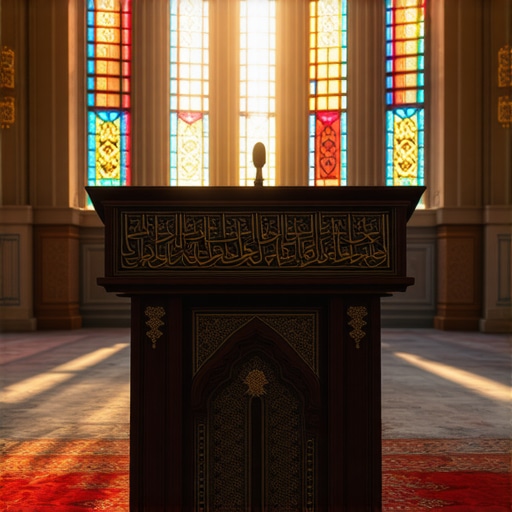
Ever had a dream that left you puzzled, especially during Eid or Qurbani season? I remember one year, I dreamt of a sheep being sacrificed, and it stayed with me for days. At first, I brushed it off as just a strange dream, but soon I realized it was a message from my subconscious and divine signs intertwined. That moment changed my perspective on how dreams related to religious acts like Qurbani and what they reveal about our spiritual state.
Why Dreams About Sacrifice Matter More Than You Think
In my journey of understanding Islamic dream symbolism, I’ve learned that many of these dreams aren’t random—they’re sacred messages, especially when it comes to acts of devotion like Qurbani. Sacrificing an animal is not merely a ritual; it’s a profound act of obedience, symbolizing submission to Allah and compassion for His creation. But what does it mean if you dream of sacrifice? Or, more intriguingly, if you see animals in your dreams around the time of Eid? These visions often carry deep spiritual significance, guiding us on our faith journey.
For years, I misunderstood the symbolism behind these dreams, thinking they were just cultural traditions or simple reflections of my thoughts. But I made a crucial mistake early on—assuming every dream was just a product of my imagination rather than divine guidance. Once I started exploring authentic Islamic interpretations, I discovered that dreams about animals and sacrifice often symbolize divine messages, warnings, or blessings. For example, a dream of slaughtering an animal can indicate spiritual purification or readiness for a new phase in life.
Is Dreaming About Sacrifice Actually a Sign from Allah?
Many skeptics wonder, “Are these dreams really meaningful, or just random thoughts?” I used to think the same until I encountered a beautiful hadith emphasizing that Allah communicates through dreams to those He wishes. The key is learning how to interpret these visions correctly. Sometimes, a dream about sacrifice might be a divine nudge to act righteously, or a reminder to reflect on your intentions behind your Qurbani.
To deepen my understanding, I turned to trusted Islamic dream interpretations, and I was amazed to find that many dreams about sacrifice align with spiritual lessons—lessons that help us grow closer to Allah. If you’ve ever wondered whether your dream about sacrificing an animal holds any real significance, you’re not alone. Many Muslims face this question, especially during the blessed days of Eid. The good news? With proper guidance, you can unlock the divine secrets hidden in your dreams and gain clarity on your spiritual path.
So, if you’ve experienced this dilemma, stay with me. I’ll walk you through how to interpret these dreams with Islamic wisdom, and how they can become a source of divine guidance rather than confusion. Because understanding the symbolism behind sacrificing animals in dreams isn’t just about curiosity—it’s about drawing closer to Allah and understanding His sacred messages for you.
Identify Your Dream Clearly
Start by recalling the details of your dream vividly; note what animals appeared, how they behaved, and the setting. For example, I once dreamed of a sheep being slaughtered during Eid, which prompted me to explore its significance.
Determine the Context of Your Dream
Reflect on your current life circumstances—are you facing a spiritual test or seeking forgiveness? Context helps interpret whether the dream symbolizes purification, sacrifice, or divine guidance. If unsure, consider consulting trusted sources like Islamic dream dictionaries.
Align Dream Symbols with Religious Meanings
Use core Islamic teachings to decode symbols. For example, sacrificing an animal often signifies spiritual purification or obedience to Allah. See how this matches your dream’s details. If you saw a healthy sheep, it could indicate blessing or prosperity, aligning with interpretations found here.
Apply Divine Wisdom with Authentic Sources
Cross-reference your dream with authentic Islamic sources. If your dream involves a specific animal or act, look up its meaning. For instance, dreaming of a dog might relate to trust or loyalty, but in spiritual context, it might also warn about deception. Always verify with reputable interpretations.
Seek Divine Guidance Through Prayer
After analyzing your dream, perform Dua to ask Allah for clarity and guidance. It’s similar to asking for divine insight when facing difficult decisions. I remember praying after a confusing dream of a snake, and later, it revealed a warning I needed to heed.
Document and Reflect Regularly
Keep a journal of your dreams and their interpretations. Over time, patterns emerge, revealing divine messages more clearly. This practice helped me recognize recurring themes like sacrifice and patience, strengthening my spiritual connection.
Consult Knowledgeable Islamic Scholars
If your dream leaves you uncertain, consult an Islamic scholar or a knowledgeable dream interpreter. You can reach out via contact page for personalized guidance. Remember, divine messages often require nuanced understanding beyond surface-level symbols.
By following these steps—clarifying your dream details, understanding symbols in their religious context, seeking divine guidance, and consulting experts—you transform dream interpretation from guesswork into a pathway for spiritual growth. This approach not only clarifies your dreams but also deepens your faith and trust in Allah’s divine wisdom.
Many Muslims approach dream interpretation with a mixture of curiosity and skepticism, often believing they need to be experts to decode divine messages. However, what most people get wrong is the assumption that dream symbols are universally fixed or that only scholars can truly interpret them. In reality, Islamic dream symbolism is nuanced and deeply contextual, requiring both knowledge and spiritual insight. For instance, dreaming of a snake might symbolize danger in one context but spiritual renewal in another, depending on your personal circumstances and the details of the dream. This is why relying solely on generic interpretations from popular dream dictionaries can lead to misunderstandings.
One common myth is that dreams are always literal or straightforward. Many assume that a dream about losing teeth, for example, always signifies health issues or loss. Yet, according to Islamic scholars, such dreams often carry layered meanings—sometimes indicating spiritual loss, but other times pointing to an upcoming blessing or a need for patience. The key is to analyze the dream within the context of your life and seek guidance through prayer and consultation with knowledgeable sources. Dreams about losing teeth are a good example of how varied their interpretations can be based on individual circumstances.
Are All Dreams From Allah Or Can They Be From Shaytan?
This is a sophisticated question often misunderstood. While many believe that dreams are divine messages, Islam teaches that dreams can originate from multiple sources, including Allah, Shaytan (Satan), or even our subconscious mind. Authentic Islamic teachings emphasize the importance of discerning the source through prayer, reflection, and seeking protection from Shaytan. For example, dreams of pearls or jewels often symbolize divine blessings, but if a dream feels unsettling or causes doubt, it’s wise to seek Allah’s guidance and protection.
Another common ‘oops’ is to interpret dreams based solely on personal intuition without considering Islamic principles. This approach can lead to dangerous misinterpretations, especially if one starts acting on dreams without proper guidance. Remember, true understanding comes from aligning your dreams with Quranic teachings and authentic Hadiths. For instance, interpreting dreams of animals requires careful consultation of traditional sources and personal reflection. Misinterpretation can result in unnecessary anxiety or misguided decisions, so always approach dream interpretation with humility and seek divine guidance.
In conclusion, the hidden nuance is that dream interpretation in Islam is not a rigid science but a sacred art that balances knowledge, spirituality, and personal reflection. By avoiding the trap of universal assumptions and consulting authentic sources, you can unlock the divine messages meant for your spiritual growth. Have you ever fallen into this trap? Let me know in the comments.
Keep Your Dream Interpretation Skills Sharp with the Right Tools
Maintaining consistency and accuracy in dream interpretation requires more than just intuition; it demands the right tools and disciplined methods. I personally rely on a combination of digital resources and traditional practices to ensure my understanding remains precise and spiritually aligned. One essential tool I use is a dedicated journal, where I record every dream and its interpretation. This habit helps me identify recurring symbols, like the significance of dreaming about wealth or animals, and track my spiritual progress over time. Keeping detailed notes also allows me to revisit earlier interpretations in light of new insights, reinforcing my connection to divine guidance.
In addition to journaling, I utilize reputable Islamic dream dictionaries as a reference. These resources provide contextually rich explanations, such as the meaning behind dreams of snakes or the symbolism of dreaming about your mother, which are critical for accurate interpretation. I’ve found that regularly cross-referencing these sources, like dream dictionaries, helps prevent misinterpretation and deepens my understanding of complex symbols.
How do I maintain my dream interpretation skills over time?
Consistent spiritual practices are key. I perform Dua after each dream to seek Allah’s guidance and clarity. Additionally, I set aside time each day for reflection and meditation, which enhances my spiritual sensitivity and helps me recognize divine messages more clearly. To stay current with evolving interpretations, I subscribe to trusted Islamic scholars’ insights and participate in online forums and webinars dedicated to dream symbolism. This continuous learning approach keeps my skills sharp and aligned with authentic teachings.
Technology also plays a vital role. I use note-taking apps like Evernote or Notion to organize my dream records systematically. These tools allow me to tag dreams with keywords such as “sacrifice,” “wealth,” or “animals,” making it easier to search and analyze patterns over months or years. For instance, noticing a pattern of dreams involving animals can guide me in understanding divine lessons around obedience, patience, or divine warnings, as explained in animal symbolism.
Future of Dream Interpretation in Islam
As technology advances, I predict the integration of AI-powered tools that analyze dream symbols based on vast Islamic databases. These innovations could offer personalized insights while respecting the spiritual nuances unique to each individual. However, I believe the core remains rooted in sincere prayer, reflection, and seeking authentic knowledge. To test your skills, I recommend trying to interpret a recent dream about wealth using these tools and methods. Remember, maintaining your interpretative practice is a lifelong journey—stay disciplined, seek divine guidance, and continually enrich your understanding.
The Hardest Lesson I Learned About Dreaming of Sacrifice
One of the most profound lessons I discovered is that dreams about sacrifice are not just personal reflections but sacred messages from Allah. Initially, I dismissed my dreams as mere symbols of cultural tradition, but deep exploration revealed their spiritual significance. Recognizing this transformed my faith journey and helped me understand divine guidance more clearly.
3 Myths About Dream Interpretation That Held Me Back
I used to believe that dream symbols are universal and that only scholars could interpret them correctly. This misconception limited my ability to connect with divine messages. I learned that personal context, prayer, and authentic sources are crucial for accurate interpretation, making the process more accessible and meaningful.
What Experts Won’t Tell You About Dreams and Faith
Many overlook the importance of aligning dream interpretation with Quranic teachings and authentic Hadiths. Relying solely on popular dream dictionaries or personal intuition can lead to misguidance. True understanding requires humility, prayer, and consulting knowledgeable scholars, ensuring that divine messages serve as true spiritual catalysts.
My Essential Toolkit for Dreaming of Sacrifice
My trusted resources include reputable Islamic dream dictionaries like Dreams of Animals, which provides nuanced insights into animal symbolism, and Dreams about Loss, guiding me on spiritual warnings. I also regularly perform Dua for clarity and keep a dream journal to track recurring themes and divine messages over time.
Your Turn to Seek Divine Guidance in Dreams
Interpreting dreams about sacrifice is a powerful way to deepen your faith and stay connected with Allah’s guidance. Stay patient, consult authentic sources, and always supplicate for divine insight. Remember, your dreams are sacred messages—embrace them as opportunities for spiritual growth and divine connection.
Have you ever experienced a dream about sacrifice that led to a spiritual insight? Share your story below and let’s learn together how Allah communicates through dreams during Eid and Qurbani seasons.