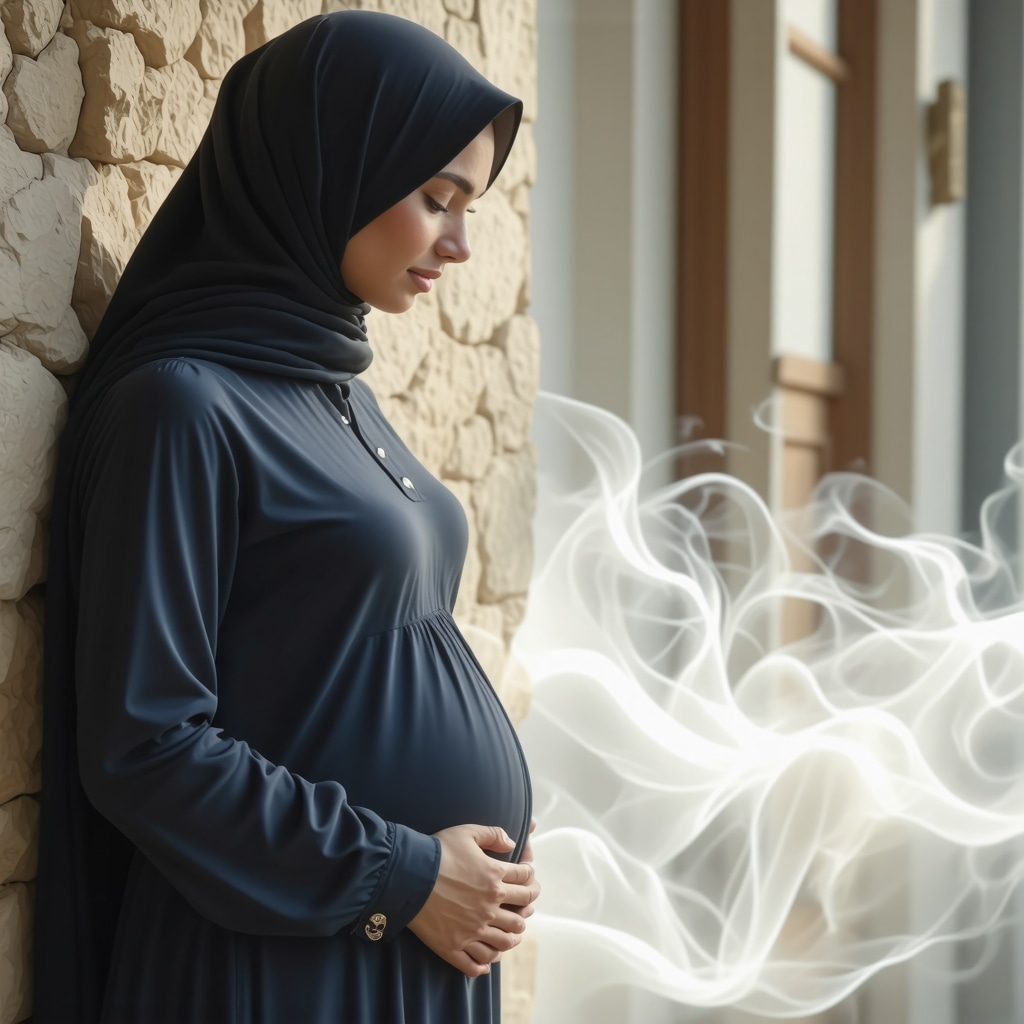
The appearance of a smiling baby in a dream, within the Islamic interpretive framework, is rarely a superficial phenomenon; it signals profound spiritual and material tidings often overlooked by a casual glance. This isn’t merely a fleeting image of contentment, but rather a complex symbolic construct pointing towards ease, blessings, and the inherent purity of a new phase—an operational reality understood by those deeply immersed in the nuances of Islamic oneirology.
The Architecture of Auspiciousness: Deconstructing the Smiling Baby Symbol
The interpretive architecture behind a smiling baby dream in Islam is built upon several foundational principles derived from the Quran, Sunnah, and the extensive works of classical scholars like Ibn Sirin. To treat such a dream as a simple, feel-good moment misses the intricate symbolic logic at play. A baby, at its core, represents vulnerability, innocence, and potential. When this image is combined with the act of ‘smiling’, the composite symbol gains exponential weight, signifying divine favor and an unfolding of goodness.
First, the ‘baby’ element frequently denotes new beginnings. This could manifest as a fresh start in personal life, a burgeoning project, or a significant life transition—a spiritual migration from hardship to ease. The unburdened nature of an infant suggests an unblemished commencement, free from the complexities and errors of prior ventures. This echoes the concept of *fitra*, the natural, pure disposition with which every human is born, implying a return to spiritual clarity or a manifestation of untainted blessings. It’s an insight gleaned from years of observing how these archetypes manifest in the lived experiences of believers, a pattern distinct from generalized psychological interpretations.
Second, the ‘smile’ itself is a powerful affirmation. In Islamic teachings, a smile is an act of charity, a sign of inner peace and contentment, and a reflection of a benevolent spirit. Transferred to the dream realm, a smiling baby indicates that the new beginning or blessing alluded to by the ‘baby’ will be accompanied by joy, ease, and divine acceptance. This is not merely the absence of distress, but the active presence of *barakah* (blessings) and divine pleasure. The second-order effects here are clear: such a dream often precedes a period of emotional tranquility, financial stability, or spiritual growth, wherein obstacles seem to dissolve with surprising synchronicity. The careful observer often notes a subtle shift in the dreamer’s demeanor following such a vision, a quiet confidence replacing prior anxieties.
The structural dependencies are evident in how other dream elements might qualify or amplify this core meaning. For instance, if the baby is smiling while holding something, that object would then be intricately linked to the nature of the blessing. A baby smiling while bathed in a soft light, for example, speaks to spiritual illumination or guidance. This meticulous deconstruction of elements is an essential part of understanding the comprehensive message, a technique refined over centuries, much like debugging a complex system where each line of code holds specific intent. The subtle vibration of sincerity within the dream often dictates its weight.
The Operational Scar: Navigating Misinterpretation and Superficiality
While the smiling baby dream is almost universally positive, the path to accurate interpretation is riddled with potential missteps, creating what I term the