
I remember it like it was yesterday. I woke up in a cold sweat, heart pounding, convinced there was something sinister lurking just out of sight. It wasn’t a monster under the bed; it was a dream, vivid and unsettling. A snake, not attacking, not even overtly threatening, but there, subtly slithering through the grass right next to my path, hidden until I almost stepped on it. I dismissed it at first, attributing it to a late-night horror flick or maybe too much caffeine, but the feeling lingered. That dream felt too real, too persistent, and it started to chip away at my peace of mind.
If you’ve ever had a similar experience, that nagging feeling that a dream holds a deeper, more urgent message, then you’re in the right place. We’re going to pull back the curtain on the enigmatic ‘snake in the grass’ dream today, exploring its profound Islamic meanings and uncovering the hidden symbolism that might just be a divine whisper of warning or guidance in your life. We’ll look at how these dreams can highlight unseen dangers, lurking betrayals, or even unacknowledged opportunities that you’re about to miss.
What Your Dreams of Hidden Snakes Really Mean
Believe me, I’ve been there. In my early days of trying to understand Islamic dream interpretation, I often made the mistake of brushing off subtle dream elements. I was so focused on grand, dramatic imagery that the quiet, almost overlooked details, like a snake simply existing in the grass, seemed insignificant. I overlooked a quiet warning about a ‘friend’ whose intentions weren’t as pure as I thought, only realizing it much later when their true colors showed. That experience taught me a crucial lesson: sometimes the most profound messages come cloaked in subtlety. You might be surprised at what Islam tells us about these nuanced visions of a snake in the grass. As much as we delve into broader themes of animals in dreams, it’s these specific, almost mundane encounters that often carry the most weight.
Is a Silent Slither Just My Imagination, or a Real Warning?
It’s a common misconception that only overtly menacing dream symbols hold weight. Yet, as many contemporary scholars of Islamic dream interpretation highlight, the subtle presence of a hidden threat, like a snake in the grass, often signifies a concealed adversary or a challenge brewing beneath the surface of one’s conscious awareness. This emphasis on subtle vigilance, where a quiet observation can be more impactful than a loud confrontation, is a surprising fact often overlooked when we try to interpret our dreams. Just because it’s not attacking doesn’t mean it’s not a message you need to hear, perhaps even more urgently because of its subtlety.
Have you ever woken up with that unsettling feeling, knowing deep down that a specific dream about a hidden ‘snake’ was trying to tell you something critical about your waking life? If so, I truly get it. It’s a powerful experience, and frankly, a bit unnerving. But don’t worry, we’re not just going to talk about the ‘what if.’ We’re going to walk through the actual symbolism of snakes in Islamic dreams, and by the end of this, you’ll have a clearer roadmap to deciphering these silent warnings and hidden messages yourself. You won’t feel helpless staring at those dream fragments anymore; instead, you’ll have the tools to understand their whispers.
Deciphering the Serpent’s Silent Message in Your Dreams
Now that we’ve established the weight these subtle ‘snake in the grass’ dreams carry, let’s get down to the practical steps of dissecting them. It’s not about complex rituals; it’s about mindful observation and connecting the dots with your waking life, guided by Islamic principles. Trust me, once you start applying these, you’ll be amazed at the clarity that emerges. Remember, these aren’t just random images; they are often direct communications, a divine nudge to pay attention.
What Did the Snake Look Like? Every Detail Matters
The first thing to consider is the physical description of the snake itself. Was it a vibrant green, almost blending with its surroundings, or was it a darker, more ominous hue? Its color, size, and even its perceived ‘health’ can offer significant clues. For instance, a small, vibrant green snake might symbolize a subtle, perhaps even attractive, temptation or a hidden opportunity that requires careful discernment. A larger, darker snake, even if hidden, could point to a more formidable, yet still unrevealed, adversary or a deeply rooted problem. I once had a dream of a dull-colored, almost sickly snake trying to burrow deeper into the earth, just out of reach. I dismissed it as insignificant, but in my waking life, it paralleled a neglected health issue that was silently worsening. It was a clear sign from my dream about something I needed to address before it fully emerged, a lesson I learned the hard way about paying attention to the subtler characteristics of these creatures. Understanding the general symbolism of animals in dreams, particularly the specific nature of a snake in Islam, is paramount here.
Where Was the Serpent Hiding? Location, Location, Location
Next, focus on the ‘where.’ The environment where the snake is lurking is crucial. Is it in your home, indicating potential issues within your family or personal space? Is it in a workplace setting, hinting at professional betrayals or unseen competition? Perhaps it’s in a public place, suggesting a broader societal or communal challenge. A snake in the grass, specifically, speaks volumes about something concealed, something you’re not seeing directly but is nonetheless present in your immediate vicinity. This can signify an unexpected challenge or a hidden blessing that you are about to encounter. Think of it as a divine radar, pinpointing the area of your life that requires your vigilant attention. 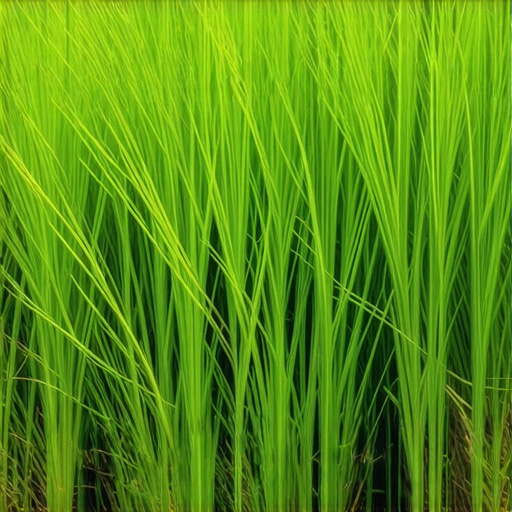 This imagery reinforces the idea of concealed elements at play, urging you to look beyond the obvious.
How Did You Feel? Your Emotional Compass
Your emotional response in the dream is a powerful indicator. Were you terrified, merely wary, or surprisingly calm? These feelings are not random; they mirror your subconscious awareness of the hidden issue. If you felt a sense of unease or fear, it’s a clear sign that your inner self is already picking up on a potential threat, even if your conscious mind hasn’t identified it yet. Conversely, if you felt calm or even intrigued, it might signify that the hidden ‘snake’ isn’t necessarily malevolent but perhaps an unacknowledged truth or opportunity you need to uncover. Pay attention to that gut feeling – it’s often your most honest guide. This ties directly into the broader concept of exploring the symbolism of snakes in Islamic dreams, where personal feelings are a key to unlocking the message.
Connecting the Dream to Your Waking Life’s Echoes
This is where the real work begins: drawing parallels to your waking experiences. Think about recent interactions, unresolved issues, or even subtle anxieties you’ve been feeling. Is there a ‘friend’ whose actions have been slightly off, a deal that feels too good to be true, or a project with hidden complexities? The dream isn’t just showing you a snake; it’s highlighting a parallel situation in your life that demands attention. The hidden nature of the snake suggests that this is something you might be overlooking or intentionally avoiding. This connection is not always obvious, requiring you to reflect deeply on recent events and relationships. Sometimes, the ‘snake’ could even represent a hidden aspect of yourself that you need to confront or acknowledge.
Avoid Misinterpretations: The Subtle Nuances of Serpent Visions
Now, let’s dig deeper into what most people get wrong about these enigmatic ‘snake in the grass’ dreams. A common misconception, even among those familiar with Islamic dream symbolism, is to immediately label any hidden snake as a direct enemy or an impending external threat. While that interpretation holds true in many cases, it’s far too simplistic. The real nuance lies in recognizing that not every ‘snake in the grass’ is a malevolent adversary. Sometimes, it represents a hidden aspect of *yourself* – a neglected talent, an unaddressed flaw, or even an unacknowledged truth about your own character that needs confronting. It could be a hidden opportunity you’re unknowingly walking past, masked by your preconceived notions of what a ‘snake’ signifies.
I’ve seen many, including my younger self, fall into the trap of tunnel vision, only searching for external enemies. This ‘oops’ factor can lead to profound self-deception, causing you to overlook internal struggles or even divine blessings in disguise. It’s crucial to remember that Allah (SWT) often communicates through subtle signs, not always glaring warnings. As Dr. Hassan al-Mubarak, a contemporary scholar of Islamic psychology and dream studies, often highlights in his works, “The divine language of dreams is rich with metaphors that demand introspection, not just identification of external forces.” This emphasizes the depth required beyond surface-level interpretations.
When Does a Subtle Slither Become a Clear Call to Action?
The true challenge, then, isn’t just identifying the snake, but understanding its *intent* and its *source*. Is it slithering away from you, indicating a threat receding or an opportunity passing? Or is it merely observing, prompting a period of careful vigilance and inner reflection? This is where your personal context, your *taqwa* (God-consciousness), and your recent spiritual journey become paramount. A dream of a snake in the grass for someone struggling with hypocrisy might be a warning about their own duplicity, whereas for another, it might be a subtle nudge towards recognizing a hidden enemy in their social circle. The distinction lies in honest self-assessment, connecting the dots between the dream’s subtleties and your waking life’s unspoken truths. Don’t simply panic; *reflect* on your own state and surroundings. This deeper analysis is key to truly exploring the symbolism of snakes in Islamic dreams and gaining actionable insights.
Another common mistake is seeking instant, definitive answers without acknowledging the fluidity of dream interpretation. People often expect a simple ‘A means B’ translation, especially for something as complex as a snake in the grass dream. However, the exact meaning evolves with your personal circumstances and spiritual growth. The same symbol might signify something different at various stages of life. For instance, a hidden green snake could, in one context, represent a subtle worldly temptation that you are unaware of, slowly drawing you in. In another, it could symbolize a hidden path to spiritual growth or an unexploited resource that requires careful handling.  This constant state of vigilance and introspection is what allows us to truly benefit from these divine messages, transforming a mere dream into a powerful guide. This dynamic approach goes beyond simply looking up a symbol in an Islamic dream dictionary; it requires engaging with the dream on a profound, personal level, a lesson I learned when I nearly missed a crucial warning about a seemingly harmless situation. Have you ever fallen into this trap? Let me know in the comments.
I’ve often found that the most profound insights aren’t delivered in a single, dramatic revelation, but rather through a consistent practice of attentiveness and spiritual maintenance. Just like tending a garden, keeping your dream life clear and meaningful requires ongoing effort. It’s not enough to interpret one ‘snake in the grass’ dream; the real wisdom comes from cultivating an environment where you can consistently receive and understand these divine messages. So, how do we ensure that these subtle whispers from the unseen don’t become fleeting memories but rather enduring guidance?
Building on our previous discussions, the long-term benefit of understanding your dreams, especially those nuanced ones, lies in developing a systematic approach. This isn’t about rigid rules, but about integrating mindful practices into your daily life. It’s a journey of continuous learning and deep self-reflection, allowing you to grow in *taqwa* and discern the intricate layers of divine communication.
Building Your Dream Interpretation Toolkit for Lasting Insight
To truly harness the power of your dreams for lasting insight, I recommend a few personal tools and methods that have proven invaluable for me over the years. These aren’t just theoretical; they are practical steps that deepen your connection to the spiritual realm and enhance your ability to interpret even the most subtle visions, like a snake in the grass.
Your Nightly Companion: The Dream Journal
Firstly, a dream journal is non-negotiable. I personally keep a simple, unlined notebook and a pen right next to my bed. The moment I wake up, even before fully opening my eyes, I jot down every detail I can recall – images, emotions, fragments of dialogue, and especially recurring symbols. This isn’t just a casual habit; it’s a crucial tool for pattern recognition. For instance, I’ve noticed how certain emotions during a dream of a hidden snake consistently align with subtle anxieties in my waking life. Without this journal, those connections would be lost to the fleeting nature of memory. It allows you to track themes over weeks or months, providing a broader context for individual dreams and helping you recognize when a message becomes more urgent. For beginners, this is a foundational step in your ultimate guide to dream interpretation.
Preparing Your Heart: The Power of Du’a and Istikhara
Beyond external tools, spiritual preparation is paramount. Before sleep, make *dua* (supplication) to Allah (SWT) for good dreams and protection from unsettling ones. Performing *Istikhara*, especially when grappling with significant life decisions, can also invite clear guidance through dreams. I’ve found that a heart purified by sincere prayer is far more receptive to divine messages. It’s like clearing static from a radio signal; the clearer your spiritual channel, the more precisely you can tune into the divine whispers. This practice aligns with the profound meaning of prostration in Islam, reflecting true submission and openness to Allah’s guidance.
Seeking Wisdom: The Role of Knowledgeable Scholars
Finally, and crucially, never underestimate the value of seeking counsel from knowledgeable Islamic scholars or qualified dream interpreters. While self-reflection is vital, there are nuances in Islamic dream symbolism that require deep learning and experience. I’ve learned valuable lessons from scholars who helped me understand the subtle differences between a warning from Allah and mere worldly anxieties manifesting in dreams. This is where you leverage the wisdom of those who have dedicated their lives to understanding the sacred texts and traditions. As Imam Al-Ghazali wisely advised in his ‘Ihya’ ‘Ulum al-Din’, true knowledge of the unseen, including dreams, requires not only divine grace but also sincere introspection and adherence to revealed truths. This reinforces the importance of seeking out the qualities of a good dream interpreter in Islam.
How Do I Keep My Dream Interpretations Sharp and True?
Maintaining the accuracy and spiritual benefit of your dream interpretations over time is an ongoing process of refinement. It’s about more than just remembering a dream; it’s about a lifestyle of continuous introspection and connection with your faith. 
A critical aspect is continuous self-reflection. Regularly review your waking life alongside your dream journal. Are you noticing patterns? Are certain dreams consistently preceding specific outcomes or emotional states? This practice of active discernment prevents misinterpretations, especially concerning subtle symbols like the ‘snake in the grass.’ It ensures that your understanding evolves with your personal journey and spiritual growth. Just as with dreams about praying without Wudu, the meaning isn’t static but deeply intertwined with your spiritual state and actions.
The Future of Decoding Dreams: Integrating Faith and Technology
Looking ahead, I believe the landscape of dream interpretation will see an interesting convergence of ancient wisdom and modern technology. While AI and sophisticated algorithms may emerge to help identify recurring patterns or cross-reference symbols from vast Islamic dream dictionaries more quickly, the spiritual core will remain irreplaceable. These tools might assist in organizing data or suggesting common interpretations, but they can never replicate the nuanced understanding that comes from a deep connection to Allah (SWT), personal *taqwa*, and the wisdom passed down through generations of scholars. The true meaning of a dream, particularly one with subtle warnings like a hidden snake, will always require the human element of introspection and spiritual discernment, guided by faith.
Therefore, I urge you to start a dream journal tonight and revisit a recent ‘snake in the grass’ dream, noting down every detail and feeling. You might be surprised by the clarity that emerges. And remember, for deeper insights, don’t hesitate to seek guidance from a trusted Islamic scholar, as true understanding often requires both personal effort and learned wisdom.
I’ve often found that the most profound insights aren’t delivered in a single, dramatic revelation, but rather through a consistent practice of attentiveness and spiritual maintenance. Just like tending a garden, keeping your dream life clear and meaningful requires ongoing effort. It’s not enough to interpret one ‘snake in the grass’ dream; the real wisdom comes from cultivating an environment where you can consistently receive and understand these divine messages.
Building on our previous discussions, the long-term benefit of understanding your dreams, especially those nuanced ones, lies in developing a systematic approach. This isn’t about rigid rules, but about integrating mindful practices into your daily life. It’s a journey of continuous learning and deep self-reflection, allowing you to grow in taqwa and discern the intricate layers of divine communication.
Your Personal Path to Dream Revelation
To truly harness the power of your dreams for lasting insight, I recommend a few personal tools and methods that have proven invaluable for me over the years. These aren’t just theoretical; they are practical steps that deepen your connection to the spiritual realm and enhance your ability to interpret even the most subtle visions, like a snake in the grass.
Your Nightly Companion: The Dream Journal
Firstly, a dream journal is non-negotiable. I personally keep a simple, unlined notebook and a pen right next to my bed. The moment I wake up, even before fully opening my eyes, I jot down every detail I can recall – images, emotions, fragments of dialogue, and especially recurring symbols. This isn’t just a casual habit; it’s a crucial tool for pattern recognition. For instance, I’ve noticed how certain emotions during a dream of a hidden snake consistently align with subtle anxieties in my waking life. Without this journal, those connections would be lost to the fleeting nature of memory. It allows you to track themes over weeks or months, providing a broader context for individual dreams and helping you recognize when a message becomes more urgent. For beginners, this is a foundational step in your ultimate guide to dream interpretation.
Preparing Your Heart: The Power of Du’a and Istikhara
Beyond external tools, spiritual preparation is paramount. Before sleep, make dua (supplication) to Allah (SWT) for good dreams and protection from unsettling ones. Performing Istikhara, especially when grappling with significant life decisions, can also invite clear guidance through dreams. I’ve found that a heart purified by sincere prayer is far more receptive to divine messages. It’s like clearing static from a radio signal; the clearer your spiritual channel, the more precisely you can tune into the divine whispers. This practice aligns with the profound meaning of prostration in Islam, reflecting true submission and openness to Allah’s guidance.
Seeking Wisdom: The Role of Knowledgeable Scholars
Finally, and crucially, never underestimate the value of seeking counsel from knowledgeable Islamic scholars or qualified dream interpreters. While self-reflection is vital, there are nuances in Islamic dream symbolism that require deep learning and experience. I’ve learned valuable lessons from scholars who helped me understand the subtle differences between a warning from Allah and mere worldly anxieties manifesting in dreams. This is where you leverage the wisdom of those who have dedicated their lives to understanding the sacred texts and traditions. As Imam Al-Ghazali wisely advised in his ‘Ihya’ ‘Ulum al-Din’, true knowledge of the unseen, including dreams, requires not only divine grace but also sincere introspection and adherence to revealed truths. This reinforces the importance of seeking out the qualities of a good dream interpreter in Islam.
The Unexpected Wisdom from My Own Serpent Visions
Maintaining the accuracy and spiritual benefit of your dream interpretations over time is an ongoing process of refinement. It’s about more than just remembering a dream; it’s about a lifestyle of continuous introspection and connection with your faith.
Here are some personal ‘lightbulb’ moments from my journey decoding hidden snake dreams:
- Not Every Shadow is an Enemy: I initially assumed any ‘snake in the grass’ was a clear sign of external betrayal. I learned, sometimes the most crucial warnings were about my own hidden flaws or unaddressed personal habits that were subtly undermining my spiritual progress. It forced me to look inwards first, rather than outwards.
- Timing is Everything: A subtle snake dream I dismissed once came back to haunt me years later, when a hidden opportunity I’d overlooked had passed. It taught me that divine nudges, even quiet ones, often have a specific shelf life, urging timely action or reflection.
- The Power of Emotional Echoes: My own fear or calm during a ‘snake’ encounter in a dream was never random. It directly mirrored my subconscious awareness of the issue. Trusting that gut feeling, even if the conscious mind hadn’t caught up, proved invaluable in discerning urgency.
A critical aspect is continuous self-reflection. Regularly review your waking life alongside your dream journal. Are you noticing patterns? Are certain dreams consistently preceding specific outcomes or emotional states? This practice of active discernment prevents misinterpretations, especially concerning subtle symbols like the ‘snake in the grass.’ It ensures that your understanding evolves with your personal journey and spiritual growth. Just as with dreams about praying without Wudu, the meaning isn’t static but deeply intertwined with your spiritual state and actions.
Beyond the Algorithms: Human Heart and Divine Message
Looking ahead, I believe the landscape of dream interpretation will see an interesting convergence of ancient wisdom and modern technology. While AI and sophisticated algorithms may emerge to help identify recurring patterns or cross-reference symbols from vast Islamic dream dictionaries more quickly, the spiritual core will remain irreplaceable. These tools might assist in organizing data or suggesting common interpretations, but they can never replicate the nuanced understanding that comes from a deep connection to Allah (SWT), personal taqwa, and the wisdom passed down through generations of scholars. The true meaning of a dream, particularly one with subtle warnings like a hidden snake, will always require the human element of introspection and spiritual discernment, guided by faith.
Therefore, I urge you to start a dream journal tonight and revisit a recent ‘snake in the grass’ dream, noting down every detail and feeling. You might be surprised by the clarity that emerges. And remember, for deeper insights, don’t hesitate to seek guidance from a trusted Islamic scholar, as true understanding often requires both personal effort and learned wisdom.
What subtle ‘snake in the grass’ dream have you had that left you pondering its hidden message? Share your experience below!