
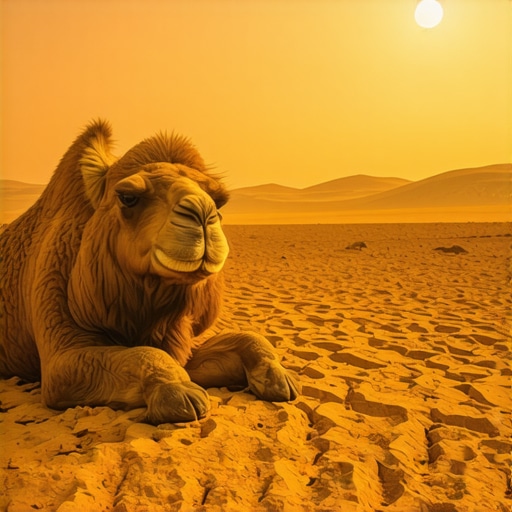
The Traditional Symbolism of the Thirsty Camel
In the vast, shifting sands of our collective history, the camel has earned its title as the ship of the desert. For centuries, across arid terrains and ancient trade routes, this resilient creature has symbolized the physical vessel of one’s livelihood. When we speak of a thirsty camel, we are not merely discussing a biological need; we are addressing a profound cultural metaphor for a depleted resource or a financial drought. Traditional folklore often dictates that to see a parched dromedary in the horizon of one’s mind or dreams is a precursor to a period of scarcity. In the context of interpreting dreams of animals, the camel specifically carries the weight of the dreamer’s worldly responsibilities. A camel that is crying out for water is a stark reflection of an exhausted budget or the drying up of a primary income stream. Historically, merchants who neglected the hydration of their livestock were doomed to lose their cargo; similarly, the appearance of this symbol warns that your fiscal endurance is reaching its limit. This is not a sign of immediate ruin, but a traditional alarm bell to stop and replenish your reserves before the long journey ahead becomes a march toward insolvency. The thirsty camel represents the slow, agonizing realization that one has overextended their means. It mirrors the feeling of a barren wallet or dry wells where there was once an abundance of liquid assets. Just as a camel stores fat in its hump to survive the lean times, the presence of a thirsty camel indicates that these internal stores have been used up. This symbol is deeply rooted in the necessity of preparation. If you find yourself relating to this arid caravan of the mind, you are likely feeling the nomadic struggle of trying to reach a goal while your savings are depleted. This traditional view encourages a shift in perspective—from expansion to conservation.
The Psychological Significance
From a psychological standpoint, the image of a thirsty camel is a complex archetypal representation of burnout and inner depletion. Layer 1 of this significance involves our internal fears regarding sustainability. We all have a subconscious connection to the idea of a ‘long haul.’ When we perceive our inner ‘camel’ as thirsty, it is our psyche signaling that we have been giving more than we have been receiving. This is often linked to financial anxiety or the fear of lingering poverty. We worry that our sun-scorched hump of accumulated wisdom or wealth is no longer enough to sustain us. This mirrors the psychological state of someone who has been working relentlessly without adequate emotional or financial compensation. Much like dreams of wealth and prosperity serve as affirmations, the thirsty camel serves as a psychological warning. Layer 2 involves our emotional state during times of transition. Are you moving through a ‘desert’ phase of your life, such as a career change or a divorce? The thirst represents the lack of emotional nourishment in this transition. You may be carrying a burden of debt—not just financial, but emotional debt to others. This psychological thirst can manifest when you feel your life is an arid caravan, moving toward a destination that seems increasingly like a mirage of prosperity. The stress of maintaining a certain lifestyle can lead to what we might call fiscal dehydration, where every penny spent feels like a drop of blood lost in the sand. This emotional state is often accompanied by a sense of isolation, as if you are the only one struggling to find the next oasis. Understanding this psychological trigger is vital for recovery. It requires the dreamer or the thinker to acknowledge their own limitations. You cannot continue the nomadic struggle if you are running on empty. This is your subconscious demanding a recalculation of your path.
Variations of the Thirsty Camel
The specific context in which this symbol appears can drastically alter its meaning. For instance, seeing a white thirsty camel often symbolizes a drain on spiritual wealth or a loss of purity in one’s intentions. Conversely, a black thirsty camel might represent a deep-seated fear of total financial collapse or a parched dromedary that carries the weight of ancestral secrets. If the camel is seen trying to drink sand, it indicates a misguided effort to fix a problem—spending money to fix a debt, for example, which only increases the burden of debt. If you encounter a camel that dies of thirst, it may be an omen similar to losing teeth, representing a loss of power or a significant shift in your foundation. Sometimes, the camel appears in a vast desert, emphasizing your isolation in struggle. Other times, it may be in a city, which highlights the contrast between your internal lack and the external abundance of the world. Seeing a group of thirsty camels suggests a collective struggle, perhaps a family or business facing a financial drought together. If the camel is being led by a known person, like your mother, it might suggest that your financial habits or your current ‘thirst’ are tied to maternal influences or family expectations. Small, young camels that are thirsty represent new projects that are failing because they haven’t been given enough ‘water’—capital or attention—to grow. These variations serve as specific markers for where you need to apply your focus. Whether it is a mirage of prosperity leading you astray or a sun-scorched hump signaling exhaustion, each detail adds a layer of understanding to your long journey. Consider also the presence of other animals; if a thirsty camel is being harassed by dogs or cats, it may indicate that petty distractions or small betrayals are preventing you from reaching your financial goals.
What to Do: Practical Advice for Self-Reflection
When the image of a thirsty camel enters your consciousness, it is a call to action, not a reason for despair. The first step is to perform a financial audit. Where is your ‘water’ going? Are there leaks in your budget that are causing your depleted savings? Practical self-reflection involves looking at your long journey and deciding if the current pace is sustainable. You may need to stop the caravan. This might mean pausing a business expansion or cutting back on personal luxuries to ensure your fiscal endurance lasts. Secondly, address your psychological thirst. Are you taking time to nourish your mind and soul, or are you just a beast of burden? Much like the growth of new life requires care and resources, your own well-being requires investment. If you feel surrounded by war and conflict (metaphorically or literally), as seen in dream interpretations of conflict, your thirsty camel is a sign that you are losing the resources needed to fight. Seek out an oasis—this could be a mentor, a financial advisor, or simply a period of rest. Don’t be afraid to ask for help; even the strongest camel needs a guide to the well. Finally, re-evaluate your goals. Is the destination worth the thirst? Sometimes we chase a mirage for so long that we forget what real water looks like. Reflect on whether your wealth is mirroring your drained state or if you are building something that will eventually sustain you and your community. For further information on how we handle your data during these reflections, please see our privacy policy or contact us for more specific inquiries. Remember, the goal of the camel is to survive the desert, not just to carry the gold. Your survival and health are the true wealth.
![Golden Leopards: [Wealth and Prosperity Dreams] of Success](https://en.islamskisanovnik.net/wp-content/uploads/2026/03/Golden-Leopards-Wealth-and-Prosperity-Dreams-of-Success.jpeg)