
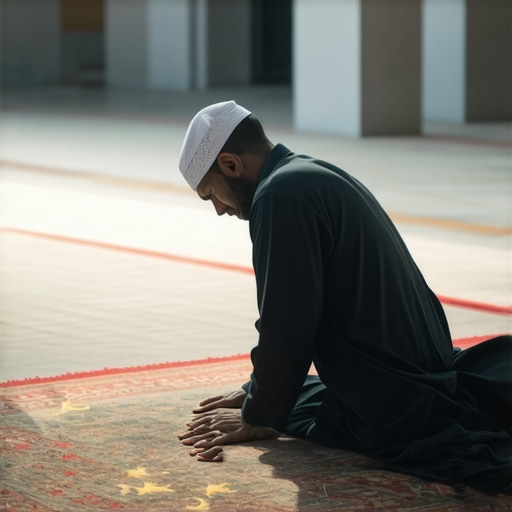
Have you ever woken up puzzled after dreaming of performing sujood (prostration) and wondered what it truly means? I remember a time when I kept having vivid dreams of prostrating in the mosque, feeling both spiritually uplifted and strangely anxious. That confusion led me down a path of deep Islamic dream interpretation, revealing insights I never expected. If you’ve faced similar dreams and felt lost in their symbolism, you’re not alone. Many Muslims grapple with understanding what these sacred symbols signify in their subconscious world.
Why Dreaming of Prostration Matters So Much
In Islam, dreams are considered a form of divine communication, often packed with hidden messages and spiritual lessons. The act of prostration, or sujood, is one of the most sacred acts of worship, symbolizing submission, humility, and connection to Allah. When it appears in our dreams, it might be whispering truths about our spiritual state or upcoming life changes. Understanding these dreams can help us align our waking actions with divine guidance. Trust me; ignoring these signs can lead us to overlook important spiritual warnings or blessings that Allah intends for us to recognize.
Early in my journey, I made the mistake of dismissing dreams of prostration as mere religious imagery—nothing more. But I soon realized that neglecting these symbols might cause us to miss divine messages. For example, dreaming of performing Ghusl (full-body purification) in a dream can symbolize spiritual cleansing or renewal, while dreaming of praying in the wrong direction might indicate misaligned intentions or spiritual confusion.
So, if you’ve ever woken up feeling that your dream was more than just a fleeting image—perhaps a sign that you need to reevaluate your faith or seek Allah’s guidance—then know that understanding Islamic dream symbolism can be transformative. Today, we’ll explore what these dreams really mean and how to interpret them effectively, helping you turn subconscious messages into spiritual growth.
Is Dream Interpretation Actually Worth the Hype?
I used to think dream interpretation was just superstition or psychological wishful thinking—until I started paying closer attention to my dreams and their Islamic context. I realized that many dreams carry divine messages, especially those involving sacred acts like prostration. By misinterpreting or ignoring these signs, I almost missed opportunities for spiritual enhancement. A well-informed approach can bridge the gap between the subconscious and divine guidance, making dream interpretation not just interesting but essential for a devout Muslim. If you’re skeptical, I get it. But consider this: even the Prophet Muhammad (peace be upon him) received and explained dreams, and they were integral to his spiritual mission. So, yes, dream interpretation is worth the hype, especially when rooted in Islamic teachings and symbols.
Are you ready to decode what your dreams about prostration truly mean? Let’s dive into the sacred symbols and divine messages hidden in your subconscious mind, so you can experience the spiritual clarity Allah wants to reveal to you.
Start with Context and Self-Reflection
Before jumping into interpretation, recall the details of your dream and your current spiritual state. For example, I once dreamed of performing sujood in a lush green field, which signaled a period of spiritual renewal. Reflect on how the dream made you feel and any recent events that might influence its meaning.
Identify Key Symbols and Actions
Focus on specific elements like performing Wudu with sand, which symbolizes spiritual purification through hardship. If your Wudu was interrupted, it could indicate obstacles in your spiritual progress. Recognize whether water was dirty, representing neglect of cleanliness in faith, or if you saw yourself praying without Wudu, hinting at spiritual deficiencies.
Apply Islamic Symbolism and Known Meanings
Use established interpretations to understand these symbols. For instance, performing Ghusl in a dream often signifies spiritual cleansing or renewal, while praying in the wrong direction might suggest misaligned intentions. Reading Surah Yaseen or Al-Fatiha in your dream could indicate divine support or the need for spiritual reflection.
Use Analogies for Clarity
Think of your dreams as a spiritual GPS. Just as a GPS guides you through unfamiliar roads, symbols like a broken mirror or a cracked window can reveal areas of your life needing attention. If you see yourself entering a mosque with shoes on, it’s like stepping into a sacred space unprepared—reminding you to approach worship with humility.
Match Symbols with Personal Life
Connect dream signs with your personal circumstances. Eating ripe dates in a dream might symbolize blessings if you’re seeking sustenance in faith, whereas moldy bread could warn of neglect or spiritual stagnation. Similarly, dreaming of losing keys or moving into a new house indicates transitions or loss of control, prompting reflection on your spiritual stability.
Use Islamic Dream Dictionaries and Resources
Consult reliable sources like Islamic dream interpretation resources to verify your insights. These can help you distinguish between superficial and divine messages, especially when symbols like a star falling or the moon splitting appear.
Seek Divine Guidance and Protection
Enhance your understanding by supplicating with Sunnah-based du’as. Recite the Dua for Good Dreams before sleep to receive clearer visions and protection from misinterpretation. Remember, dreams are a form of divine communication, but they require sincere effort and humility to decode accurately.
Practice and Verify Your Interpretations
Apply your interpretations gradually in your life. For example, if your dream suggests spiritual renewal, increase acts of worship or seek forgiveness. Keep a dream journal to track recurring symbols and their meanings, refining your understanding over time. Consult knowledgeable scholars or trusted sources if doubts arise, ensuring your interpretations align with Islamic teachings.
By following these concrete steps—starting with self-reflection, identifying symbols, applying Islamic meanings, and seeking divine guidance—you can unlock profound insights from your dreams about prostration and deepen your spiritual connection.
Many Muslims believe they understand the symbolism behind dreams involving Wudu (ablution), prayer, and other sacred acts, but in reality, misconceptions abound. For example, a frequent mistake is assuming that dreaming of performing Wudu with dirty water necessarily signifies spiritual impurity or neglect. In Islamic dream interpretation, context is everything, and not every disturbing image indicates sin or warning. Sometimes, such dreams point to the need for spiritual renewal or highlight areas for self-improvement, rather than guilt. Everyone says that dreaming of Wudu with dirty water is a bad omen, but in my experience, it often symbolizes a spiritual cleansing process that is incomplete or delayed, urging us to seek Allah’s forgiveness and renew our faith. Similarly, dreaming of Wudu being interrupted is commonly misinterpreted as divine disapproval, but it can also indicate obstacles in your spiritual journey that require patience and perseverance. It’s vital to understand that dreams serve as divine messages, but their true meanings depend on nuance and personal circumstances.
Why Do Many Get It Wrong When Interpreting Sacred Dreams?
A common trap is to overgeneralize symbols—assuming that every dream about prayer or Wudu reflects a specific, fixed message. For instance, some think that dreaming of praying in the wrong direction always indicates misguidance, but it might also symbolize misaligned intentions or distractions in your spiritual focus. The key is to analyze the dream within your current life context and use trusted sources like Islamic dream dictionaries for guidance, combined with sincere supplication for divine clarity. ” alt=”Person contemplating dream interpretation” title=”Deep Islamic Dream Interpretation”/>. A warning to watch out for is to jump to conclusions based on superficial symbols, which can lead to unnecessary anxiety or complacency. Remember, divine messages are often layered and require patience and wisdom to decode properly.
Have you ever fallen into this trap? Let me know in the comments.
Invest in Reliable Resources for Accurate Dream Analysis
When it comes to maintaining a consistent and meaningful approach to Islamic dream interpretation, having access to trusted resources is crucial. I personally rely on authoritative Islamic dream dictionaries that are rooted in authentic hadiths and classical scholars. These resources help me differentiate between superficial symbols and divine messages, especially for complex dreams like those involving sacred acts such as Wudu with sand or Wudu being interrupted. Over time, I’ve found that cross-referencing multiple trusted sources minimizes misinterpretation and enhances spiritual clarity.
Implement Routine Dream Journaling
One of the most effective tools I recommend is maintaining a detailed dream journal. Immediately after waking, jot down every detail—symbols, emotions, and context. This habit not only sharpens your memory but also helps identify recurring themes, such as dreams about losing teeth or war and conflict. Over time, patterns emerge, making interpretation more intuitive and accurate.
Employ Spiritual Practices for Clarity
In my experience, combining practical tools with spiritual routines significantly improves dream clarity. Regular dua for good dreams and reciting Surah Al-Fatiha before sleep creates a protective environment for divine guidance. Additionally, Istikhara can be integrated with dream analysis to confirm insights or seek divine confirmation about important decisions.
Stay Updated with Emerging Methods
The field of Islamic dream interpretation is evolving, with scholars now exploring new techniques for divine clarity. For example, some utilize advanced dream incubation methods, where specific supplications are recited to influence dream content beneficially. I encourage you to stay curious and adapt these emerging tools gradually into your routine.
Predicting Future Trends in Dream Interpretation
Looking ahead, I believe the integration of technology—like AI-powered interpretation tools—will complement traditional methods, providing more personalized insights aligned with Islamic principles. However, human discernment and spiritual sincerity will remain essential. Try implementing one advanced tip today—such as combining interpretation resources with sincere supplication—and notice how your understanding deepens.
Ever experienced a dream where you perform Wudu with sand or see your Wudu being interrupted? These dreams hold profound symbolic meanings in Islamic spirituality. Understanding what these dream symbols truly signify can open doors to divine guidance and personal growth. In this article, we will explore the deep significance behind common dreams related to Wudu and other sacred acts, helping you interpret your subconscious messages with confidence and faith.
Dreams involving Wudu are often reflections of your spiritual state. For example, dreaming of performing Wudu with dirty water may indicate areas in your faith that need cleansing or renewed attention. Conversely, dreaming of performing Ghusl can symbolize spiritual purification and readiness for new beginnings. Recognizing these signs allows you to take proactive steps in your spiritual journey, aligning your actions with divine will.
Similarly, dreams of Wudu being interrupted could be signals of obstacles in your spiritual progress or external distractions that require patience and perseverance. If you see yourself praying without Wudu, it might suggest unpreparedness or neglect in your worship routines. These powerful symbols serve as divine whispers, urging us to reflect, repent, and reconnect with our faith more sincerely.
Engaging with these dream symbols thoughtfully transforms subconscious messages into actionable spiritual insights. Remember, Islam emphasizes that dreams can be divine guidance when interpreted correctly, especially when rooted in authentic teachings and prayer. As you begin to decode your dreams, keep a journal, consult trusted Islamic dream dictionaries, and seek divine assistance through supplication.
By paying close attention to your dreams involving sacred acts, you can uncover divine messages that guide your spiritual growth. Whether it’s a dream about the Quran falling or seeing yourself in a mosque, each symbol offers an opportunity for reflection and renewal. Embrace these visions as sacred communications, and let them inspire your faith journey every day.
My Trusted Tools for Dream Interpretation
To deepen my understanding of Islamic dream symbols, I rely on a few essential resources. The Islamic Dream Dictionary has been invaluable in providing authentic explanations rooted in classical teachings. It helps me differentiate superficial symbols from divine messages, especially for complex dreams involving sacred acts or divine signs.
Another tool I use regularly is Sunnah-based supplications. Reciting the Dua for Good Dreams before sleep creates a protective environment for clearer visions and divine clarity. Combining these resources with my personal prayer routine enhances my ability to interpret dreams accurately and with humility.
Finally, I keep a detailed dream journal, noting down every detail immediately upon waking. Over time, this practice reveals recurring symbols and patterns, sharpening my intuitive understanding of divine messages. For example, consistently dreaming of the Quran or specific Surahs might indicate a need for spiritual reflection on those chapters.
These tools—trustworthy dictionaries, supplications, and journaling—form a sacred toolkit that guides me through the mysterious realm of dreams. They help transform subconscious symbols into divine guidance, enriching my spiritual life and aligning my actions with Allah’s wisdom.
Your Path to Divine Clarity
Embrace your dreams as a sacred dialogue with Allah. Approach interpretation with sincerity, patience, and humility. Remember, each vision holds a unique message tailored to your spiritual needs. Your journey into understanding sacred dreams begins with trust, curiosity, and prayer. As you develop this skill, you’ll find that your subconscious becomes a mirror reflecting divine guidance and divine mercy.
What has been your most impactful dream involving Wudu or sacred acts? Share your experiences and insights below—your story might inspire others to listen more closely to the divine messages in their dreams.
This post offers such a profound insight into the spiritual significance of dreams about prostration and Wudu. I recall a recent dream where I found myself performing sujood in a beautiful, open mosque under a clear sky, which left me feeling deeply peaceful and connected. It made me reflect on how important it is to consider the feelings and context of dreams rather than just their visuals. I’ve noticed that when these dreams occur, they often serve as gentle reminders to check my sincerity and focus during worship. I wonder how others interpret dreams where Wudu is made with unfamiliar or unclean water — could this be a sign of spiritual neglect, or perhaps a need for renewal? Also, I find that maintaining a dream journal has helped me recognize recurring themes and messages. Has anyone else experienced specific symbols that turned out to carry a deeper or different meaning over time? I appreciate how the post emphasizes using trusted resources and supplication; it truly helps deepen our understanding and connection with divine messages.